
Last updated: November 7, 2026
O-Shot before-and-after changes are more likely to involve reported sensation, lubrication, or sexual function than a reliably visible difference in photos. A placebo-controlled PRP trial offers a way to assess those reports, but its findings cannot predict an individual result or be assumed to apply to every injection technique.
What do O-Shot before-and-after results really show?
At Skinsational Cosmetic Surgery Clinic, non-laser vaginal rejuvenation and intimate wellness care may include PRP injections or radiofrequency treatment.
A personal report of improved comfort or sensation can be meaningful, but it does not show how much of the change was due to an injection.
Is the O shot effective?
A small randomized pilot trial found a greater improvement in reported sexual function after vaginal PRP than after saline injection, but the finding does not establish a predictable O-Shot benefit. The 2026 randomized pilot trial in Obstetrics & Gynecology studied an injection into the anterior vaginal wall, not the external genital PRP injections we offer at Skinsational. Cleveland Clinic describes the O-Shot as experimental and says there is not enough research to establish its effectiveness for vaginal conditions.
The trial enrolled 52 sexually active premenopausal women ages 18 to 50 without severe sexual dysfunction. In the single-center, single-blind study, 26 received one PRP injection into the distal anterior vaginal wall and 26 received a saline injection. The Female Sexual Function Index, or FSFI, recorded participants’ reported sexual function.
The trial reported the following changes in median total FSFI scores at six weeks:
| Treatment group | Change in total FSFI score | 95% confidence interval |
|---|---|---|
| PRP | 2.2 points | 0.6 to 4.8 |
| Saline control | 0.3 points | -1.7 to 2.3 |
PRP recipients also reported gains in desire, arousal, lubrication, and orgasm, but those subdomain changes were not statistically significantly different from the saline group’s changes.
How does PRP rejuvenation for women work at Skinsational?
PRP rejuvenation for women uses platelet-rich plasma prepared from a patient’s own blood. At Skinsational, our PRP injections target specific areas of the external genitalia for sensation concerns and may be combined with energy-based treatment.
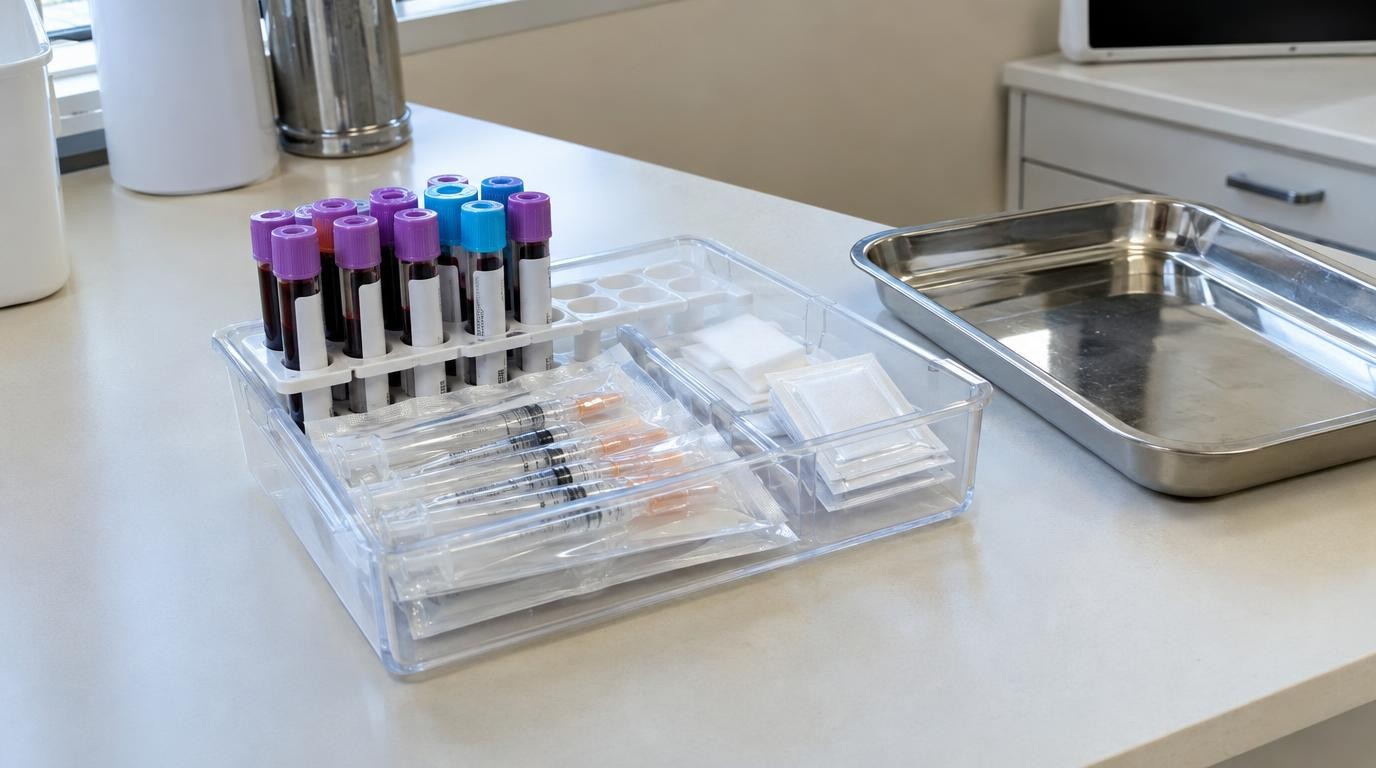
As Cleveland Clinic’s PRP therapy explanation describes, a blood sample is processed to concentrate its platelet-containing portion before PRP is used for treatment. For a broader explanation of the approach, see our guide to PRP rejuvenation for women. Platelets contain growth factors, but that biological rationale alone does not establish a specific intimate-wellness outcome.
What is the O spot?
The “O” in O-Shot stands for “orgasm,” but “O spot” is an informal expression, not a standardized anatomical injection target or a guarantee of orgasm. The American Society of Plastic Surgeons’ explanation of O-Shots describes PRP injections involving the clitoris and the G-spot area within the vagina, near the urethra. The clitoris and that vaginal area are distinct injection sites, not a single “O spot.”
Who might consider intimate PRP, and when is an evaluation more useful?
Women concerned about decreased sensation may consider intimate PRP, but it has not been shown to address every cause of reduced sexual function. Childbirth, menopause, and aging can coincide with changes in dryness, comfort, or tissue tone. At Skinsational, Dr. Luciano Sztulman assesses symptoms, goals, and anatomy before recommending PRP, radiofrequency treatment, or another approach.
Dryness and discomfort call for a different discussion than a primarily sensation-related concern. When appropriate, we may discuss hormone-related options, including hormone balancing, without assuming that every cause of dryness is hormone-related. Persistent pain, urinary symptoms, or substantial structural changes deserve appropriate medical evaluation rather than a promise that PRP will resolve them. Patients comparing possibilities can read more about whether PRP fits their concerns before a private assessment.
What happens during a PRP consultation and treatment?
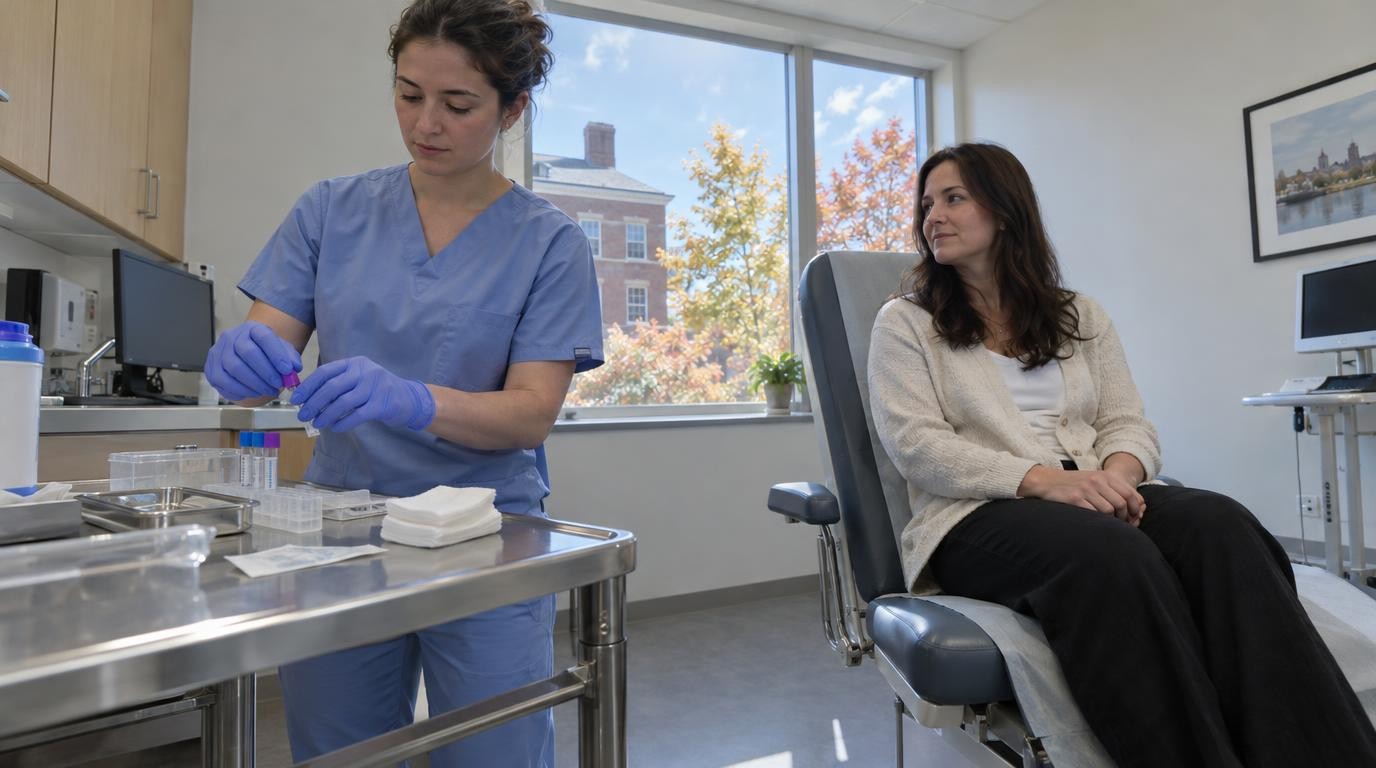
We begin with a confidential discussion and assessment. If PRP is appropriate, we then draw blood, prepare the PRP, and perform the planned injections. We tailor injection sites and aftercare instructions to your treatment.
- Discuss the concern: Dr. Luciano reviews what has changed and what improvement would matter to the patient.
- Assess treatment fit: The examination helps distinguish concerns that may suit PRP from those better addressed by radiofrequency treatment or another approach.
- Prepare and administer PRP if selected: A blood sample is processed before the clinician performs the planned injections.
What might recovery after PRP injections involve?
Injection sites may feel tender or develop mild bruising or spotting. For the trademarked O-Shot, the American Society of Plastic Surgeons says patients typically do not experience pain afterward. Its guidance does not establish a PRP-specific timetable for returning to normal activity or having intercourse. Follow the aftercare instructions we give for your particular injections; our radiofrequency intercourse restriction is separate.
When might changes appear, and how long might they last?
PRP results should not be promised immediately or assigned a reliable peak-effect date. The 2026 pilot trial measured sexual function at six weeks and six months after one vaginal-wall injection. The PRP group’s reported improvement remained greater at the later assessment, but the small trial and uncertain estimates cannot establish how long a particular person’s benefit will last. An American Society of Plastic Surgeons article quotes a physician estimating that O-Shot effects last six months to a year. That is not a reliable individual prediction or a duration established by the six-month trial.
The trial reported these changes in median total FSFI scores at six months:
| Treatment group | Change in total FSFI score | 95% confidence interval |
|---|---|---|
| PRP | 1.6 points | -0.2 to 4.1 |
| Saline control | 0.8 points | -1.1 to 2.7 |
The trial reported P = .05 alongside its total FSFI findings at six weeks and six months. The confidence interval for the PRP group’s change included no improvement, underscoring the uncertainty around durability. Follow-up beyond the trial’s observation period would be needed to answer how long an effect might persist.
How often do you get the O shot?
The American Society of Plastic Surgeons describes annual repetition of the trademarked O-Shot, while an ASPS article quotes a physician recommending a series of injections. These are differing descriptions, not an established schedule. The 2026 randomized pilot trial tested one vaginal-wall injection, while a 2019 study in the Turkish Journal of Obstetrics and Gynecology administered four sessions without a placebo comparison group. Neither study establishes an optimal schedule or whether annual repeat treatment is necessary or effective.
What are the risks of intimate PRP injections, and who should avoid them?
Intimate PRP injections carry ordinary injection risks, including pain, bruising, bleeding, and infection. The 2026 pilot trial reported no serious adverse events, but its small size does not establish a definitive safety profile. Active infection at a proposed injection site warrants postponement; pregnancy, bleeding conditions, blood-thinning medicines, and relevant medical history require individualized review.
Sterile preparation matters when blood is collected, processed, and injected; the American Academy of Dermatology’s guidance on cosmetic skin PRP highlights infection risk when blood is not handled properly. It also advises against cosmetic skin PRP for people with hepatitis C, HIV/AIDS, blood cancer, cardiovascular disease requiring a blood thinner, or skin cancer in the treatment area. These are screening considerations for intimate PRP, not a list of proven genital-PRP contraindications; we assess your medical history individually. Seek prompt medical care after an injection for fever, spreading redness, heavy bleeding, or severe or worsening pain.
How does PRP compare with radiofrequency vaginal rejuvenation?
PRP involves injections discussed for sensation-related goals, while our non-laser radiofrequency vaginal rejuvenation uses controlled heat for concerns such as mild laxity, dryness, and tissue tone. Severe laxity or significant prolapse is not an appropriate target for these nonsurgical options; Dr. Luciano may discuss surgical evaluation instead.
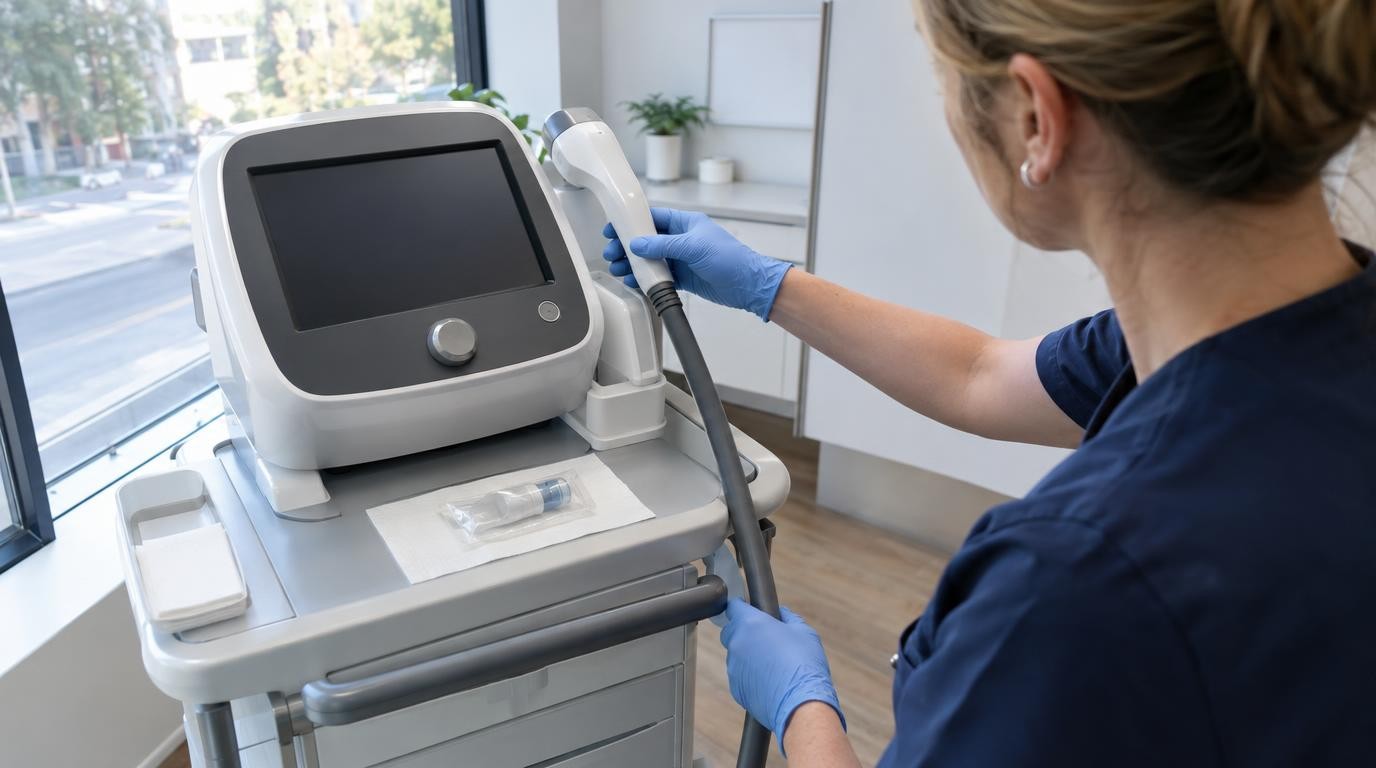
At Skinsational, a typical radiofrequency plan consists of 3 to 4 sessions about 4 weeks apart. Sessions typically take under an hour. The most significant radiofrequency improvements in lubrication, tightness, and sensation generally develop over 2 to 3 months; we typically recommend avoiding intercourse for 3 to 5 days after each session. Those figures and instructions belong to radiofrequency, not PRP injections. The choice depends on the symptoms and examination findings, rather than treating the procedures as interchangeable.
How can you judge an O-Shot before-and-after claim?
Judge an O-Shot before-and-after claim by asking what was injected, where it was injected, how improvement was measured, and when follow-up occurred. A validated measure such as the FSFI can document reported sexual-function changes more meaningfully than a photograph. A testimonial describes one person’s experience; a placebo-controlled group comparison asks whether reported changes differed from those after an inactive injection.
- Check the procedure: Was PRP injected into external genital tissue or the vaginal wall, and was another treatment used alongside it?
- Check the outcome: Was improvement recorded with a defined symptom measure, or is the claim based only on a testimonial?
- Check the timing: Does the claim identify when the person was assessed and whether improvement persisted?
Frequently Asked Questions
Will insurance cover the O-Shot?
Insurance coverage is generally unlikely for an elective cosmetic PRP procedure such as the O-Shot. Johns Hopkins Medicine notes that PRP treatments may not be covered because they lack FDA approval, and the American Academy of Dermatology says medical insurance does not cover cosmetic skin PRP. Neither statement determines the terms of your plan, so check coverage for the specific proposed procedure with your insurer before scheduling.
Does the O-Shot hurt during treatment?
Numbing measures are typically used for the trademarked O-Shot. The American Society of Plastic Surgeons says providers commonly use topical anesthesia and ice, and injections may contain local anesthetic. You may still feel a brief pinch or pressure during an injection.
Can the O-Shot help if I have never had an orgasm?
The O-Shot is unlikely to help someone who has never achieved orgasm, according to the American Society of Plastic Surgeons. Preliminary evidence suggests some women may experience enhanced orgasms, but results are not guaranteed. A clinician can help assess your concerns rather than assuming an injection addresses their cause.
Is a G-Shot the same as an O-Shot?
No. The American Society of Plastic Surgeons distinguishes the G-Shot, which injects filler into the vaginal G-spot area, from the trademarked O-Shot, which uses platelet-rich plasma from your own blood in the clitoris and vagina. For a closer comparison of treatment goals and injection approaches, read our O-Shot vs G-Shot guide before discussing your options.
What percentage of women reported better sexual function after vaginal PRP?
In the 2026 randomized pilot trial, 69.2% of vaginal-wall PRP recipients reported improved sexual function at six weeks, compared with 42.3% given saline. At six months, the figures were 69.2% and 34.6%, respectively. These group results do not predict an individual’s outcome or establish results for other injection sites.
Has vaginal PRP been studied in women who already have sexual dysfunction?
Yes. In the 2019 study, 52 women with sexual dysfunction reported improved sexual-function scores after vaginal-wall PRP. Because the study did not include a placebo comparison group, it cannot establish how much improvement PRP itself caused.
Where can North Providence patients discuss their options?
Skinsational Cosmetic Surgery Clinic welcomes North Providence patients at 1 Randall Square, Suite 405, Providence, RI 02904, where Dr. Luciano Sztulman provides intimate wellness care.
If you are interested in exploring those options, contact Skinsational Cosmetic Surgery Clinic to request a confidential consultation with Dr. Luciano Sztulman. Our team can help you discuss what improvement would be meaningful and which treatment, if any, is appropriate for you.
This information is general and is not medical advice. Talk to a licensed clinician about your own situation before making a treatment decision.

