
Last updated: November 16, 2026
Liposuction before and after photos can show how surgery changed someone’s contour, but they cannot predict how your body will look. The most useful comparisons account for the area treated, the condition of the skin, any accompanying procedures, and how long the patient had healed when the after photo was taken. At Skinsational Cosmetic Surgery Clinic, our liposuction treatment focuses on proportionate body contouring rather than a promised look.
What Can Liposuction Before and After Photos Tell You?
Photos can show how a treated area relates to neighboring areas, but they cannot reveal how much swelling remains or whether your skin will settle in the same way.
How Do You Compare Liposuction Photos Fairly?
Compare the same views and body areas, with similar posture, camera distance, and lighting. Ask whether the patient also had a tummy tuck, fat transfer, or another procedure: the visible change may not be attributable to liposuction alone. The patient’s starting contour and skin quality matter more than a superficial resemblance to your body.
The Cleveland Clinic before-and-after gallery shows a patient photographed four months after posterior hip liposuction performed along with an abdominoplasty (tummy tuck). These are Cleveland Clinic patient photos, not Skinsational results; the abdominal change cannot be attributed to liposuction alone.
When Were the After Photos Taken?
The date matters because healing changes the contour. The American Society of Plastic Surgeons’ guidance on liposuction results says the contour becomes more apparent as swelling and fluid retention subside. The Cleveland Clinic liposuction overview says swelling may take three to six months to go away completely. An early after photo may therefore show a shape that is still changing; a later image gives a clearer view of the healed contour.
How Does Liposuction Change Your Body Contour?
In liposuction, the surgeon passes a thin tube called a cannula through small incisions and uses suction to remove localized fat. The goal is to refine proportions in selected areas, not produce major weight loss or guarantee a particular appearance. The resulting shape also depends on how the skin settles over the treated area and on the patient’s starting anatomy.
Which Areas Can Liposuction Treat?
At Skinsational, treatment planning may include the abdomen, flanks, hips, thighs, arms, back, or chest. Treating a pocket of fat can improve the transition between areas, but the same amount of contouring will not look identical on different bodies. For a more focused discussion of the midsection, see how liposuction 360 shapes the midsection.
Is Liposuction a Weight-Loss Procedure?
No. Liposuction is body contouring surgery for localized fat, not a substitute for weight loss. Mayo Clinic’s liposuction overview explains that the amount of fat removed depends on the appearance of the treated area and the volume of fat.
Who Is Likely to Achieve a Comparable Liposuction Result?
Someone with localized fat, a stable weight near their goal, elastic skin, and realistic expectations may be better positioned to achieve a comparable contour change than someone who merely shares a photographed patient’s age. Medical history, prior surgery, and anatomy also affect candidacy. A photo cannot show every factor that shaped another patient’s outcome.
What Is the Best Age for Liposuction?
There is no single best adult age. Johns Hopkins Medicine’s guidance on liposuction candidacy says age is not a major factor, although reduced skin elasticity can affect results. In practice, an assessment of skin, fat distribution, general health, and goals tells us more than the age listed beside a photograph.
Does Lipedema Change Who Might Qualify for Liposuction?
A lipedema diagnosis alone does not establish eligibility for liposuction. Lipedema is a chronic condition involving painful fat accumulation in the extremities; deciding whether symptom-directed surgery is appropriate requires an individual medical assessment. A 2024 systematic review and meta-analysis in Archives of Plastic Surgery evaluated 20 studies; its analysis of nine articles found improvements in symptoms and quality of life after liposuction for lipedema. The included studies also reported inflammation, thrombosis, seroma, hematoma, and lymphedema-related skin changes, although severe complications were rare. The reviewers called for stronger research. Their findings cannot predict an individual’s outcome or be generalized to every cosmetic liposuction patient, and our aesthetic liposuction services should not be assumed to include lipedema-specific care.
Which Liposuction Techniques Might Affect Your Result?
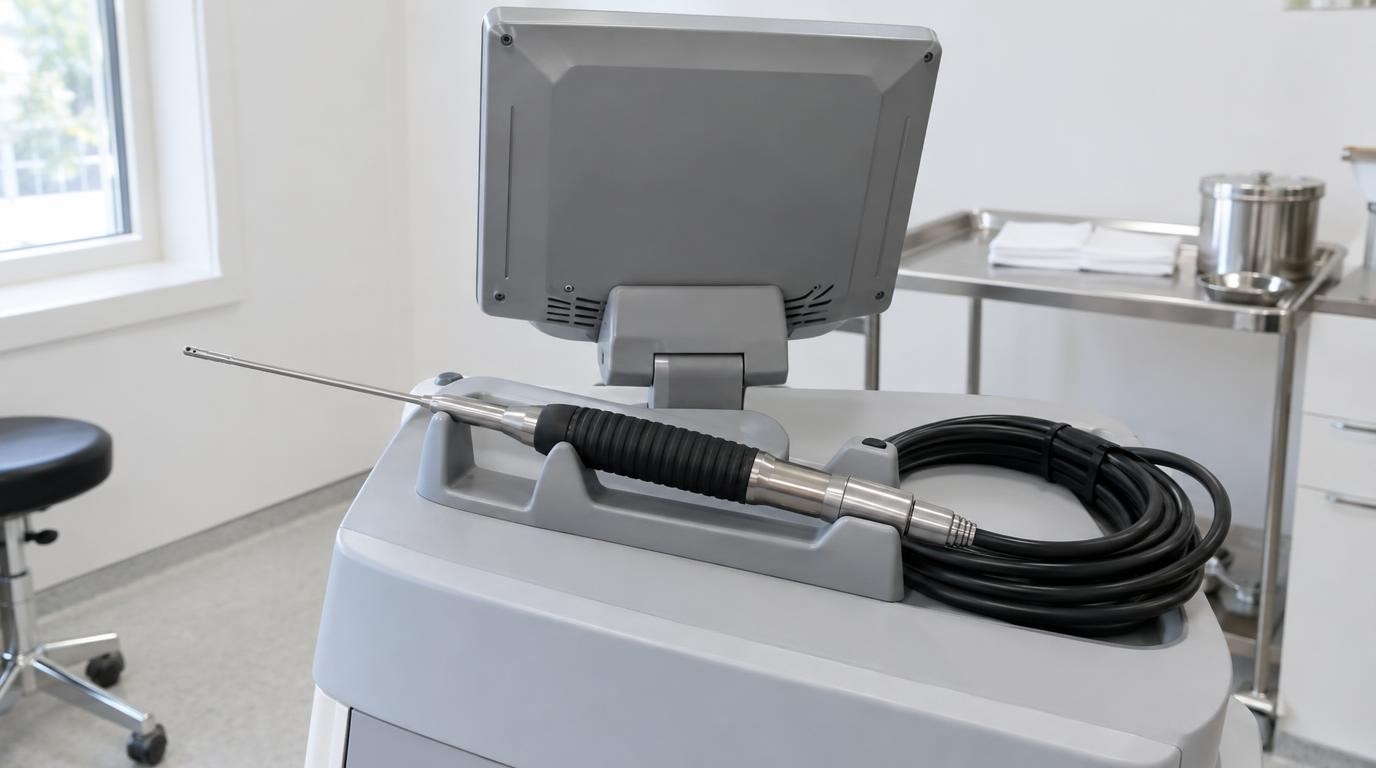
Technique can affect how fat is loosened and removed, but no device makes a photographed outcome reproducible. Skinsational offers traditional liposuction alongside power-assisted, laser-assisted SmartLipo, and ultrasound-assisted VASER Lipo. The appropriate approach depends on the area, your anatomy, skin quality, and the contour you hope to achieve.
What Does Tumescent Fluid Do?
The MedlinePlus Medical Encyclopedia entry on liposuction describes tumescent fluid injection as the most common type of liposuction. Before fat is suctioned out, a solution containing saline, lidocaine, and epinephrine is injected into the treatment area. Lidocaine numbs the area, epinephrine helps reduce bleeding, bruising, and swelling, and the fluid makes fat removal easier. Ask us whether this approach is appropriate for your treatment plan.
How Does Power-Assisted Liposuction Work?
Power-assisted liposuction uses a vibrating cannula to help loosen fat as the surgeon removes it. We may consider it for larger areas or when more extensive contouring is a goal. Vibration changes how the instrument works; it does not remove the need to assess skin quality or plan a smooth transition to surrounding areas.
How Do SmartLipo and VASER Lipo Differ?
SmartLipo uses laser energy to liquefy fat before removal. We may discuss it for smaller or more detailed areas and possible mild skin tightening, but tightening is not guaranteed. VASER Lipo uses ultrasound energy to loosen fat for removal and may be considered when greater contour definition is a goal. Neither technique can reliably correct substantial loose skin. Our comparison of laser-assisted and traditional liposuction explains the approaches in more detail.
How Does Recovery Affect When You See Your Results?
Recovery affects results because swelling can hide the new contour while tissues heal. At Skinsational, the technique used, the number of areas treated, and individual healing affect the recovery timeline.
What Can You Expect During the First Two Weeks?
Before surgery, arrange for someone to drive you to and from the procedure and stay with you for at least the first night. During weeks 1 – 2, Skinsational patients may have mild swelling, bruising, and soreness, wear a compression garment, and return to light daily activities. A photo taken this early shows a contour still obscured by healing. The garment is part of the recovery plan, not a way to judge the finished result. Our liposuction compression garment guide addresses how garments fit into aftercare.
What Changes Might You See at Weeks Three to Four and Months Two to Three?
Skinsational uses these recovery milestones as a guide, not a guarantee for every patient:
| Recovery period | Changes you may notice | What a photo can show |
|---|---|---|
| Weeks 3 – 4 | Less swelling, more visible contour, and a return to most normal activities | Improvement that may continue to change |
| Months 2 – 3 | A smoother silhouette becoming more apparent | A clearer result, though healing varies |
Does Liposuction Remove Fat Permanently?
Yes. An article on the American Society of Plastic Surgeons website explains that removed fat cells do not grow back, but remaining cells can enlarge with weight gain. Maintaining a stable weight and healthy habits can help preserve your contour, although aging and weight fluctuations can still change your shape and skin firmness.
What Risks or Health Factors Can Change Liposuction Results?
Swelling and bruising are common after liposuction, while contour irregularities, asymmetry, loose skin, scarring, infection, blood clots, and anesthesia-related complications are possible risks. Medical history and the scope of surgery affect the safety discussion. Screening matters as much as the desired contour, particularly when someone is considering more than one procedure.
Who Might Need to Delay or Avoid Liposuction?
People whose medical conditions, medications, smoking or vaping, or skin quality raise concerns may need further evaluation, a change in plan, or a different procedure. American Society of Plastic Surgeons preparation guidance notes that a medical evaluation may be requested and that smoking can impede wound healing and increase infection risk. At Skinsational, Dr. Luciano Sztulman reviews medical history and suitability individually.
Tell us about all medications and supplements you take, including aspirin, anti-inflammatory drugs, and herbal products that may increase bleeding. Follow your surgeon’s instructions about any adjustments; do not stop a prescribed medication on your own. Follow your surgical team’s instructions about stopping smoking or vaping before surgery.
Contact your surgical team promptly about worsening redness, fever, or pain that is increasing rather than improving. Chest pain or shortness of breath calls for urgent medical care. Discuss your own health factors, risks, and warning signs with your clinician before making a treatment decision.
Does Combining Procedures Change the Safety Discussion?
Yes. Combining procedures can change the extent of surgery and the recovery plan, so it requires an individualized assessment rather than an assumption that one operation is automatically preferable. Liposuction may be performed in an accredited outpatient facility, an ambulatory surgical center, or a hospital. Ask where your procedure would take place, whether the facility is accredited, and what emergency response plans the team follows. The 2022 review, Office-based Plastic Surgery – Evidence-based Clinical and Administrative Guidelines, emphasizes patient-safety protocols and preparedness for issues that may arise in office-based surgery.
What’s Better, Lipo or Tummy Tuck for Your Goals?
Your main concern—localized fat, loose abdominal skin, or both—helps determine which approach may fit. The procedures address different tissues:
| Approach | Main concern addressed | Important limitation or consideration |
|---|---|---|
| Liposuction | Localized fat deposits | Does not remove substantial loose skin or tighten abdominal muscles |
| Tummy tuck | Excess abdominal skin and, when appropriate, loose or separated abdominal muscles | May not address fat in surrounding areas such as the flanks |
| Combined procedures | Localized fat and excess abdominal skin | The extent of surgery, recovery, and safety require individual assessment |
The difference is especially important when interpreting photos: a flatter abdomen in an image may reflect skin removal or abdominal-wall work, not liposuction alone. Our liposuction versus tummy tuck comparison explores when both procedures may be considered.
Frequently Asked Questions
How much weight do people typically lose with liposuction?
Most liposuction patients lose only two to five pounds, according to an article on the American Society of Plastic Surgeons website. The procedure removes localized fat to change body shape, not to produce substantial weight loss. At Skinsational Cosmetic Surgery Clinic, we plan treatment around contour and proportion rather than a target number on the scale.
Will liposuction remove cellulite or stretch marks?
No. Liposuction removes fat beneath the skin, but it does not treat cellulite, other surface irregularities, or stretch marks. A treated area may look slimmer while those skin features remain visible.
When can I return to work and exercise after liposuction?
You may need a few days before returning to work and a few weeks before resuming usual activities, including exercise. Your timing depends on the extent of surgery and how you heal; someone else’s recovery photos are not a reliable schedule.
Will liposuction leave visible scars?
Liposuction requires small incisions, so scars are possible. The American Board of Cosmetic Surgery notes that incisions are typically tiny and resulting scars are often unnoticeable to others, but visibility varies. Incision location and individual healing affect how noticeable a scar becomes.
What type of anesthesia is used for liposuction?
Options may include general anesthesia, local anesthesia with sedation, or local anesthesia alone. For some procedures, the lidocaine in tumescent fluid may be the only anesthesia needed. The choice depends on the extent of surgery and your individual needs.
Can fat move to other areas after liposuction?
No. As a Mayo Clinic Q and A article explains, fat cells removed during liposuction do not move to another part of the body. If you gain weight later, areas that were not treated may grow more than they did during previous weight gains. That change can make fat appear to have moved, even though the cells themselves did not.
How long do I need to wear a compression garment after liposuction?
Compression garments are commonly worn for a few weeks after liposuction. At Skinsational Cosmetic Surgery Clinic, the wearing schedule depends on your treatment and healing.
What Should You Ask at a Providence Liposuction Consultation?
Ask whether your anatomy and health make you a suitable candidate, which areas and techniques fit your goals, and what change is realistic for you. If consented before-and-after examples are available, ask how the patients compare with you, whether they had other procedures, and when their after photos were taken.

In Providence, Rhode Island, Skinsational Cosmetic Surgery Clinic offers an individualized discussion with Dr. Luciano Sztulman about liposuction candidacy, likely contour changes, and whether another approach better suits your goals. If you are interested in our services, contact Skinsational Cosmetic Surgery Clinic to arrange a consultation; a useful plan begins with your body and priorities, not a promise to recreate a photograph.
This information is general and is not medical advice. Talk to a licensed clinician about your own situation before making a treatment decision.

