
Last updated: October 11, 2026
BBL scars are usually small marks where liposuction and fat injection instruments enter the skin, rather than long incisions. The marks often become less noticeable as they heal, but they may remain visible. At Skinsational Cosmetic Surgery Clinic in Providence, Rhode Island, our Brazilian butt lift service uses a plan tailored to each patient’s anatomy and goals.
What do BBL scars look like, and where do they appear?
BBL scars typically look like small entry-point marks on the areas used for liposuction and fat transfer. They may appear on the abdomen, flanks, hips, lower back, thighs or near the buttocks, depending on the surgical plan. Discreet placement can make a mark less conspicuous, but no placement guarantees an invisible scar.
What does BBL stand for in plastic surgery?
BBL stands for Brazilian butt lift. Despite its name, the procedure adds volume and changes contours by transferring a patient’s own fat to the buttocks; it does not remove loose skin. Both the fat-harvesting and fat-injection parts of the procedure can leave entry-point marks.
Are BBL scars from liposuction or fat injection?
Both can leave marks. Liposuction requires access to the areas supplying fat, while fat transfer requires access to the buttocks. The number and position of entry points depend on which areas are treated and how the surgeon plans the transfer.
How does the BBL procedure at Skinsational create those marks?
Liposuction and fat-injection access points can heal as small marks. At Skinsational, Dr. Luciano Sztulman’s BBL follows three steps:
- Remove fat from selected donor areas through liposuction access points.
- Process the harvested fat for transfer.
- Inject it through access points into selected areas of the buttocks.
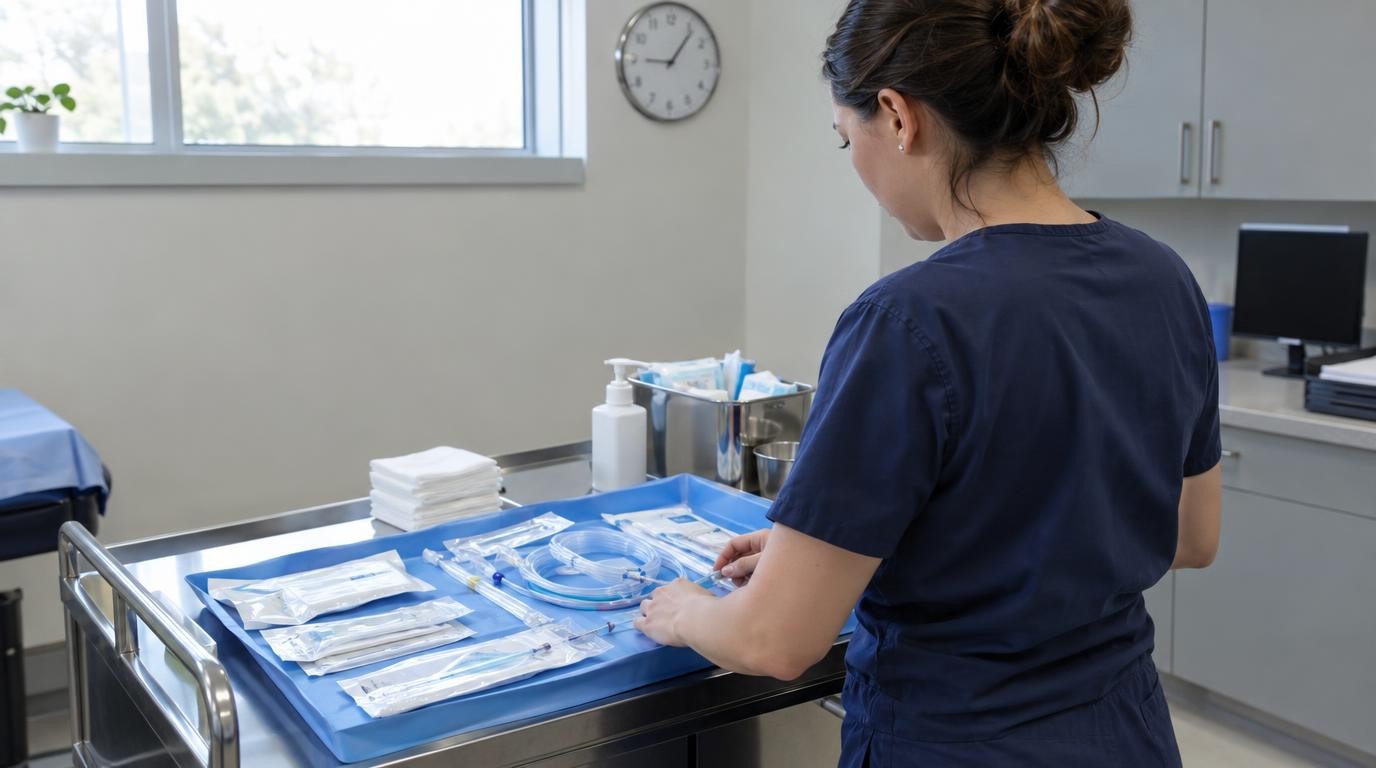
The donor areas and injection plan determine where the entry-point marks appear.
Which areas may need liposuction access points?
Possible donor areas include the abdomen, flanks, hips, lower back and thighs. Dr. Luciano plans which areas can supply fat while contributing to the desired lower-body contour. An area that is not treated would not need a liposuction access point for that part of the plan. For a fuller explanation of the procedure, see our guide to BBL surgery, fat transfer and recovery.
How is the harvested fat transferred to the buttocks?
After liposuction, our team processes the harvested fat and Dr. Luciano injects it into selected areas of the buttocks to improve fullness and shape. The injection access points can leave small marks of their own. Our BBL is typically an outpatient procedure using local anesthesia or IV sedation; Dr. Luciano does not use general anesthesia.
The American Society of Plastic Surgeons’ description of BBL fat grafting places transferred fat in the buttocks’ fatty layer, not the muscle. Deeper injection can allow fat to enter blood vessels and cause a life-threatening pulmonary fat embolism. Ask Dr. Luciano how he plans and confirms fat placement and whether ultrasound guidance is used.
How long does it take for BBL scars to fade?
The American Society of Plastic Surgeons’ buttock enhancement results page says scarring can take up to two years to fade to its mature level; that general timeframe does not predict how an individual BBL entry-point scar will heal. Marks often become less noticeable after the skin closes, but a healed incision may still leave a visible mark. An early recovery photo cannot reliably show how a mark will look later.
Can BBL scars disappear completely?
No one can promise that a BBL mark will disappear completely. The American Society of Plastic Surgeons also notes that some scars after buttock augmentation or a surgical butt lift remain visible at maturity. That is broad guidance, not a fixed fading schedule for an individual BBL. Skin characteristics, healing and complications can all affect visibility.
Why can final BBL results and scar appearance change on different timelines?
Incision healing, scar maturation and the settling of body contours are different processes. At Skinsational, final contour results are typically visible at around six months, after swelling has resolved and tissues have settled. A small mark can continue to change after the shape looks more settled; conversely, a closed incision does not mean swelling or scar maturation is finished.
What can you do during recovery to care for BBL incisions?
Follow your individualized incision-care and activity instructions and keep follow-up appointments. For surgical scars, Mayo Clinic’s buttock-lift guidance lists silicone sheeting, scar cream and massage as possible ways to lessen their appearance; this is general surgical scar guidance, not a proven BBL-specific regimen. Once your BBL entry points have closed, ask us whether any of these options suits your healing. At Skinsational, early positioning rules also limit pressure on the buttocks. Those rules primarily support recovery and the transferred fat; following them does not guarantee that BBL scars will fade.

When can you sit normally after a BBL?
At Skinsational, normal sitting is often permitted after four weeks with Dr. Luciano’s approval. Earlier positioning generally progresses through these stages, adjusted to your healing:
| Skinsational recovery stage | Positioning guidance |
|---|---|
| First 2 weeks | Avoid sitting or lying directly on the buttocks, apart from necessary toilet use; stand or lie on your side or stomach for most activities. |
| Weeks 3-4 | Modified sitting may be allowed, such as using a pillow beneath the thighs to avoid direct buttock pressure. |
| After 4 weeks | Normal sitting is often permitted with Dr. Luciano’s approval; activity increases according to his instructions. |
Recovery protocols differ. Cleveland Clinic’s BBL recovery guidance describes sitting without a pillow at approximately eight weeks, rather than the after-four-week milestone in our plan.
What should you ask your surgeon before using scar products?
Ask when each entry point is sufficiently healed for a product, whether a proposed cream or silicone product is appropriate, and whether massage could disturb a healing area. Do not apply products to an open or draining incision unless your surgical team specifically instructs you to do so. Incision-care directions take priority over advice attached to a product or shared online.
What can patient-shared BBL scar photos tell you about your own outcome?
Patient-shared BBL scar photos can show that some healed entry-point marks look small or difficult to notice, but they cannot predict your outcome. Lighting, image quality, skin characteristics, incision placement and time since surgery all change how a mark looks. Undated testimonials are personal accounts, not verified evidence of a typical result.
A 2026 observational analysis of Brazilian butt lift videos on TikTok examined 350 videos and found that patient creators posted 29.1% of them. The analysis assessed social media information, not scar-healing outcomes, so it cannot establish how often BBL scars become inconspicuous.
Why might a healed entry-point mark look different from a tummy tuck scar?
A BBL generally leaves access-point marks, whereas a tummy tuck involves an incision to remove and reshape tissue. The procedures therefore create different kinds of scars. Even photos of the same operation can be hard to compare when they show different healing stages, lighting or complications.
What risks can affect BBL scars, and who should avoid surgery?
Infection, poor wound healing and raised or excessive scarring can make BBL entry-point marks more noticeable. A BBL also carries risks beyond its scars, including the serious risk of fat embolism. People without enough donor fat, those unable to follow recovery restrictions and those whose health makes surgery unsafe need individualized assessment and may not be suitable candidates.
Swelling, bruising and soreness can occur during recovery, but worsening symptoms should not be dismissed as routine healing. The American Board of Cosmetic Surgery’s BBL safety guidance identifies pulmonary fat embolism as a potentially life-threatening complication. Discuss the procedure’s risks, your health history and the surgical safety plan with your own clinician before deciding on surgery. Our guide to BBL safety guidelines for patients offers questions to bring to that discussion.
Does a BBL smell?
An unpleasant odor is not an expected feature of a properly healing BBL. In an American Society of Plastic Surgeons discussion of so-called BBL smell, surgeon Michael Keyes, MD, explains that postoperative odor may have causes including bacterial overgrowth, poor hygiene, infection or fat necrosis. A new foul smell, particularly from an incision, deserves a call to the surgical team rather than an assumption that it is normal.
What incision changes should prompt a call to your surgeon?
Contact your surgical team promptly for worsening redness, new or increasing drainage, fever, increasing pain or a foul odor. These changes need assessment even if an entry point looks small. Trouble breathing, chest pain or fainting calls for emergency medical care rather than waiting for a routine postoperative response.
Can a BBL improve an existing buttock scar or remove sagging skin?
A BBL can add volume around the buttocks, but fat transfer does not erase a fixed, indented scar or remove sagging skin. A visible depression may still need separate assessment after the surrounding contour changes. If loose skin is the main concern, a surgical butt lift addresses excess skin; liposuction alone does not remove it.
Will fat transfer erase an indented buttock scar?
No. Adding fat can alter fullness, but an indented scar may be bound to underlying tissue and remain visible. Its depth, location and surrounding skin need individual assessment; a smoother overall contour is not the same as removing an existing scar.
Is a BBL the same as a surgical butt lift?
No. The distinction matters when a patient wants to address excess skin rather than a lack of volume:
| Procedure | Main purpose | Approach to loose skin |
|---|---|---|
| Brazilian butt lift | Adds transferred fat to reshape and increase buttock volume. | Does not remove excess skin. |
| Surgical butt lift | Raises and smooths sagging skin. | Involves skin removal and surgical incisions. |
Cleveland Clinic’s explanation of buttock lifts makes the same distinction between volume enhancement and treating sagging skin.
Who is a good candidate for a BBL when visible scars are a concern?
A potential BBL candidate has enough donor fat, good skin tone, realistic expectations and the ability to avoid direct buttock pressure during early recovery. Concern about visible scars does not automatically rule out surgery, but every access point can leave a lasting mark. For men considering the procedure, our guide to Brazilian butt lift for men covers candidacy, recovery and results.
Which personal factors should be discussed during a scar consultation?
Tell Dr. Luciano about previous raised scars or wound-healing difficulties, and identify any areas where a mark would particularly concern you. Mapping the proposed donor areas and injection access points shows where marks are likely to be; previous raised scars or wound-healing difficulties may affect how visible they become.
Frequently Asked Questions
When can I return to work after a BBL?
Many patients can return to light work in about a week, depending on their job and how they heal. At Skinsational Cosmetic Surgery Clinic, we advise avoiding direct pressure on the buttocks during early recovery, so a desk job may require more planning than a job that allows standing.
When can I exercise after a Brazilian butt lift?
An article on the American Society of Plastic Surgeons website about BBL recovery says light activities such as fast-paced walking may begin after one month, while most patients return to normal activities in six to eight weeks. Avoid high-impact activity early in recovery, and wait for Dr. Luciano’s individualized clearance before resuming strenuous exercise.
Can I fly home soon after a BBL?
There is no single departure date that is safe for everyone after a BBL. An article on the American Society of Plastic Surgeons website about travel after a BBL explains that prolonged immobility and flying can add to postoperative risks; early sitting restrictions can also make the journey difficult.
Does all the fat transferred during a BBL survive?
No. Some transferred fat naturally reabsorbs. The American Society of Plastic Surgeons’ BBL recovery article says up to 40% of transferred fat may not survive whether or not a patient sat on the buttocks; that is a possible upper amount, not a prediction of your result. Fat loss alone does not mean you sat incorrectly. Dr. Luciano may inject a slightly higher volume initially to account for fat that does not survive. The lasting shape depends on how the graft heals; fat reabsorption very rarely creates contour irregularities that may require a touch-up procedure. Early postoperative fullness is not the final result.
Will gaining or losing weight change my BBL results?
Yes, significant weight changes can alter your buttock shape after a BBL. At Skinsational Cosmetic Surgery Clinic, we explain that surviving transferred fat cells can remain for years, but long-term contours still depend partly on weight stability. Keeping a stable weight helps preserve your result; it does not guarantee that your body shape will stay unchanged.
Can I get butt implants if I do not have enough fat for a BBL?
Butt implants may be an option if you lack enough donor fat for a BBL. Cleveland Clinic notes that implants can suit people with smaller, leaner frames, but implant surgery has its own scars, a longer recovery and a higher complication rate.
Do breast augmentation scars ever go away?
Breast augmentation incisions leave scars that usually fade but should not be expected to disappear completely. An American Society of Plastic Surgeons guide to breast augmentation scarring says these scars can take up to 18 months to heal and mature. Their locations depend on where the implant incisions are made, and their healing timeline differs from that of BBL entry-point marks.
What is the hardest plastic surgery to recover from?
There is no single hardest procedure to recover from: the demands depend on the operation, your health and how you heal. BBL recovery can be demanding because you must avoid direct pressure on the buttocks when sitting or sleeping early on while also recovering from liposuction. Ask us how those restrictions would fit your work and daily routine.
What should you ask about BBL scars at a Providence consultation?
Ask where your liposuction and injection entry points are planned, what could make your marks more visible, and how you should care for each incision. Those answers matter more than a promise of scar-free skin.
- Which donor areas and buttock access points are planned for my procedure?
- How might my skin and healing history affect scar visibility?
- What incision-care and sitting instructions will apply to my recovery?
- Which incision changes should prompt me to contact the surgical team?
- Would BBL address my goals, or is another approach more appropriate for loose skin?
If you are considering a BBL, contact Skinsational Cosmetic Surgery Clinic in Providence, Rhode Island, to arrange a consultation with Dr. Luciano Sztulman. Bring your questions about scars and recovery so the discussion can be grounded in your own anatomy and goals.
This information is general and is not medical advice. Talk to a licensed clinician about your own situation before making a treatment decision.

