

Last updated: October 31, 2026
Labiaplasty scarring is an expected result of an incision, but a healed scar may blend into the natural folds of the labia. A discreet scar is not the same as no scar: swelling can make the incision look more prominent early in recovery, and no surgeon can promise that the final scar will be invisible. Labiaplasty reshapes the labia minora (inner folds) or labia majora (outer folds), most often by reducing excess tissue. Reduction may relieve chafing or tugging and change the labia’s appearance, although neither benefit is guaranteed.
Does labiaplasty always leave a scar?
Yes. Surgical labiaplasty creates an incision that heals with a scar, even when the scar becomes difficult to see. An article on the American Society of Plastic Surgeons’ website about labiaplasty recovery explains that scars often blend with the labia minora’s natural wrinkles and folds. Individual healing determines how discreet the result becomes.
Will a labiaplasty scar be invisible once it heals?
Not necessarily. The goal is a well-placed, discreet incision, not a scarless procedure. Early swelling can emphasize the incision line before its eventual appearance is clear. At Skinsational Cosmetic Surgery Clinic, Dr. Luciano Sztulman plans labiaplasty surgery around each patient’s anatomy and goals, including where the incision will sit.
Where do scars form with trim and wedge labiaplasty?
In trim labiaplasty, the surgeon removes excess tissue along the edge of the labia minora and stitches the remaining edge; the scar follows that newly shaped border. In wedge labiaplasty, the surgeon removes a V-shaped section and stitches the remaining tissue together; the scar lies along that join rather than the entire outer edge. The precise scar location depends on the surgical plan and your anatomy.
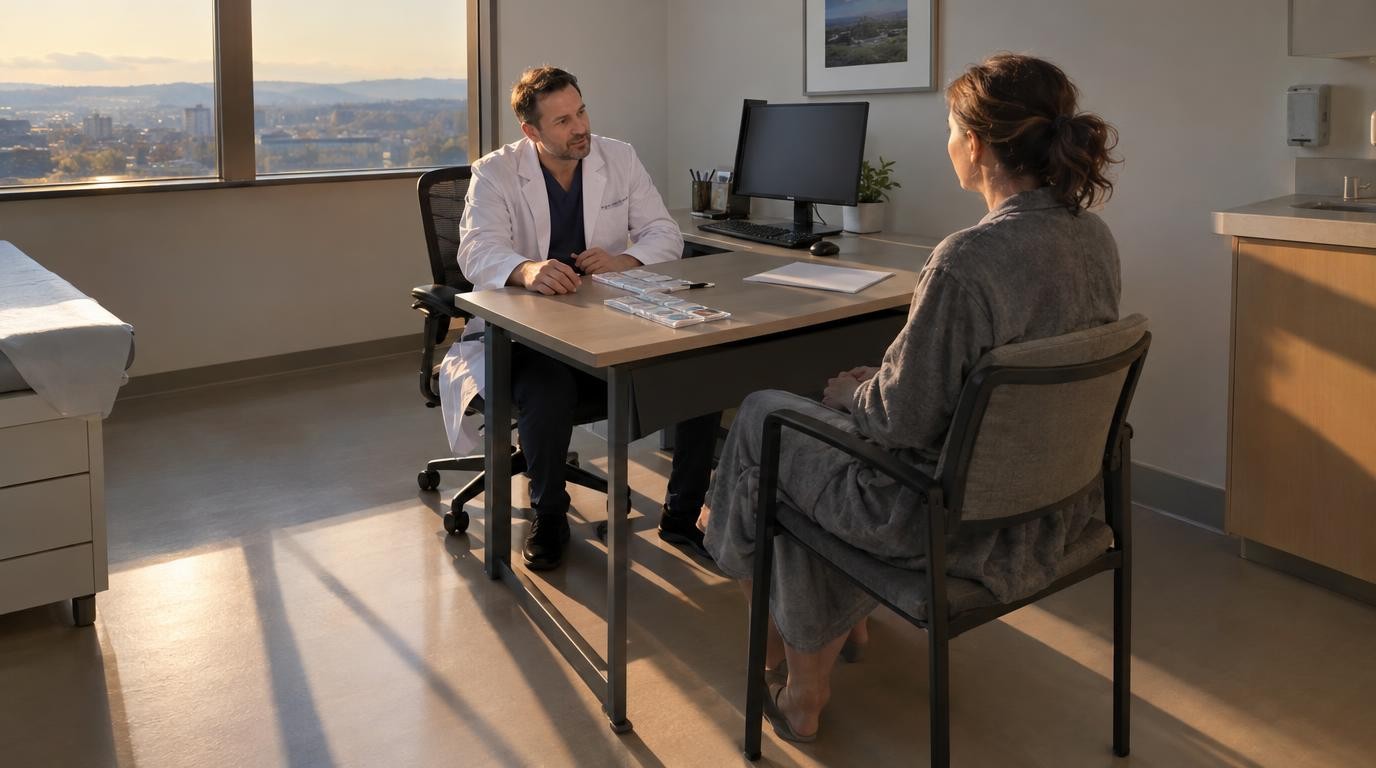
At Skinsational Cosmetic Surgery Clinic, labiaplasty is an outpatient procedure often completed in under two hours. Dr. Luciano may use local anesthesia with sedation or general anesthesia, depending on the procedure’s complexity and your preference.
Does incision placement change how noticeable a scar looks?
Yes. The American Society of Plastic Surgeons’ procedure guidance explains how trim and wedge tissue removal differ. Scar visibility also depends on the surrounding folds, the amount and location of tissue being reshaped, and how the incision heals.
The placement difference is easiest to see side by side:
| Approach | Where the incision closes | Scar-planning question |
|---|---|---|
| Trim | Along the newly shaped labial edge | How will the healed edge look and feel? |
| Wedge | Across the area where the removed section is joined | Where will the closure sit among the natural folds? |
How does labiaplasty scarring change as incisions heal?
Labiaplasty scarring changes as swelling subsides and the incision matures. Bruising and swelling can dominate the early appearance, while a healed incision may feel firm before gradually softening. Returning to ordinary activities does not mean the scar has reached its final texture or that the labial contour has fully settled.
How long until labiaplasty looks normal?
There is no single day when every patient looks fully healed. Cleveland Clinic’s labiaplasty guidance says early swelling and discoloration decrease over the first couple of weeks and most swelling is gone after six weeks, although complete resolution and the final result may take four to six months. Our labiaplasty recovery and results guide explains why an early view is not a reliable final assessment.
When does firm scar tissue begin to soften?
The article on the American Society of Plastic Surgeons’ website explains that scar tissue can feel firm after dissolvable stitches disappear and then soften over several months. Firmness alone during healing is therefore not proof that the eventual scar will remain raised or uncomfortable. Changes should still be assessed alongside the incision’s appearance and any symptoms.
What makes labiaplasty scars more noticeable for some people?
Scar visibility varies with incision placement, natural labial folds, individual tissue healing, and the operative approach. A scar may stand out more if the incision heals unevenly or changes the edge contour. Because these factors differ between patients, photographs or another person’s result cannot establish how visible an individual’s scar will be.
Can uneven healing affect the final contour?
Yes. Uneven healing or a difference between the labial edges can affect contour as well as scar visibility. A 2025 retrospective analysis of trim and modified wedge labiaplasty evaluated 40 patients and found differences in reported aesthetic and sexual-function outcomes between the technique groups. Three patients developed an early separation of the stitched wound; all had undergone wedge resection and were active smokers. The study does not predict an individual patient’s scar, and its findings should not be taken to mean that one technique is best for everyone.
Can you tell if someone has had labiaplasty?
Not reliably from appearance alone. A healed labiaplasty incision may be difficult to distinguish from natural labial folds, although a scar can sometimes remain noticeable. Labia vary naturally in shape and symmetry, so neither a visible contour nor a discreet scar proves whether someone has had surgery. No patient or surgeon can guarantee what another person will notice.
The relevant question during a consultation is not whether surgery could ever be detected. It is where the proposed incision will lie, what changes to the labial edge are planned, and what range of healed appearances is realistic for your anatomy. For more on how the incision patterns differ, see the wedge versus trim labiaplasty guide.
How should you care for labiaplasty incisions while they heal?
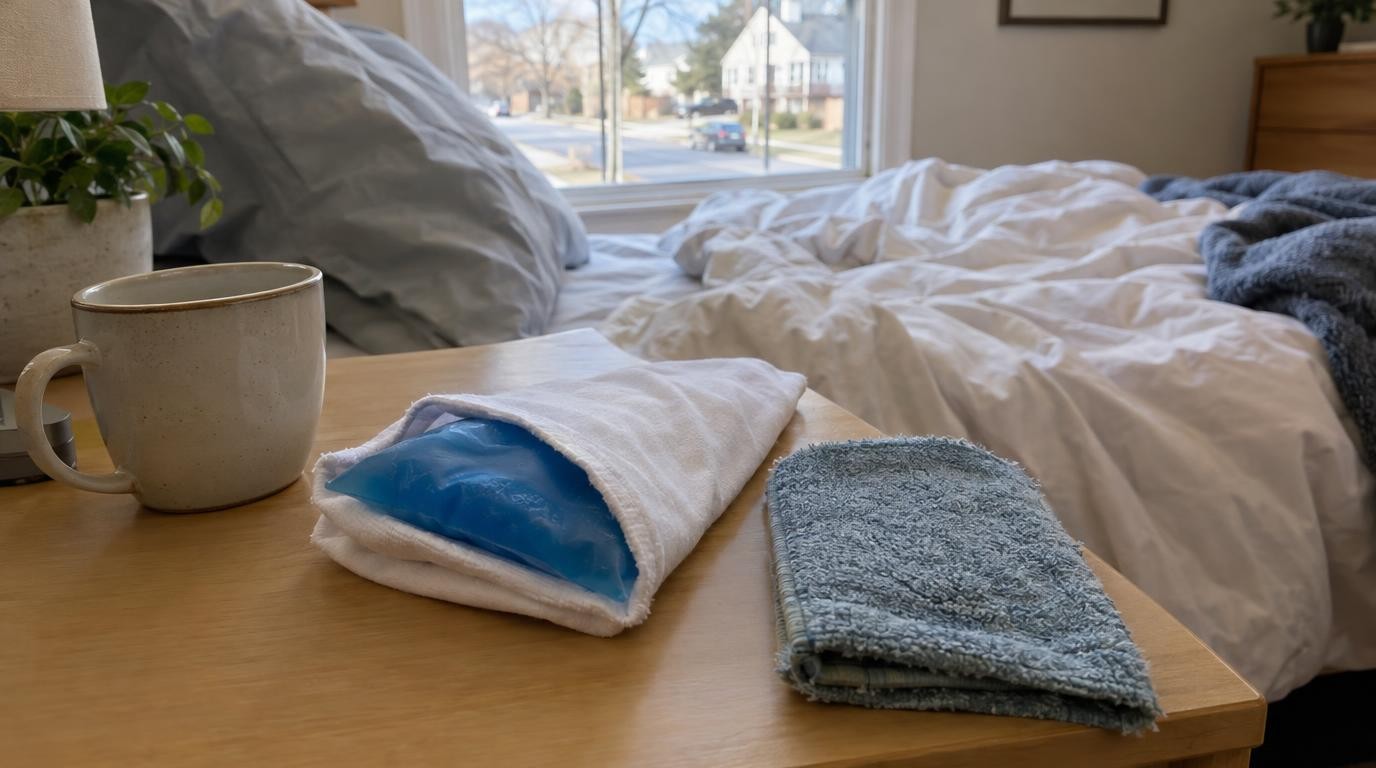
Follow the incision-care and activity instructions in your personalized surgical plan. Gentle care protects healing tissue from friction and unnecessary pressure; we also use ice packs to help manage early discomfort. Do not apply scar creams or other treatments to an unhealed incision unless your surgical team has advised you to do so.
When can you resume exercise, cycling, and sex?
At Skinsational, most patients can return to light, non-strenuous work within 3 to 5 days, but we restrict strenuous exercise, cycling, and sexual intercourse for 6 to 8 weeks. Those are separate milestones: feeling ready for desk work does not mean an incision can tolerate friction or pressure. Resume restricted activities only after Dr. Luciano clears you under your individual recovery plan.
What are the downsides of labiaplasty, and who should not have it?
Labiaplasty involves expected early swelling, bruising, and discomfort, as well as the possibility of a visible or uncomfortable scar. Cleveland Clinic says complications are infrequent. Possible downsides include asymmetry, bleeding, infection, wound breakdown, ongoing pain, and loss of sensitivity. Suitability depends on physical maturity, health, expectations, and timing; an individualized medical assessment is essential before choosing surgery.
The American Society of Plastic Surgeons identifies excessive tissue removal as the most common complication; it can cause chronic dryness, scarring at or near the vaginal opening, and pain with intercourse. The American Society of Plastic Surgeons also notes that healing problems are more likely with a wedge procedure, particularly with exposure to substances that constrict blood vessels. A careful plan aims to preserve function and sensation, but cannot eliminate these risks. Discuss your own health, goals, and risk factors with your clinician before deciding.
What is the best age for labiaplasty?
There is no single best age; Cleveland Clinic says most people who have labiaplasty are between 18 and 50. The American Board of Cosmetic Surgery’s guidance on teenagers and labiaplasty advises generally waiting until adulthood for elective cosmetic surgery: labial tissue may still be developing during puberty and early adulthood, and earlier surgery may affect its later appearance or sensation. A minor with significant functional problems needs medical evaluation rather than routine cosmetic surgery. At Skinsational, candidates are physically mature, in good overall health, and able to set realistic expectations. For adults, the decision should rest on anatomy, symptoms or personal goals, and readiness for surgery and recovery—not an age benchmark alone.
Who should postpone or avoid labiaplasty?
We advise postponing labiaplasty if you are pregnant or planning pregnancy soon. A person whose health or expectations make surgery unsuitable may also need to defer or avoid the procedure after an individual assessment.
Can I avoid surgery if I am concerned about scarring?
If appearance is your only concern, choosing no surgery is reasonable: labia naturally vary in shape and size. If tugging, chafing, or pain bothers you, a clinical evaluation can help identify the cause and whether reduction might help. Nonsurgical filler injections can add volume; we also offer fat grafting for enhancement. Neither option removes excess labial tissue or offers a risk-free substitute for reduction.
When should you contact your surgeon about a painful or raised scar?
Contact your surgeon promptly if you develop fever, spreading redness or warmth around the incision, pus or concerning discharge, worsening pain, or an incision that appears to be opening. Early swelling and firmness can be part of healing, but symptoms that worsen rather than improve need assessment instead of self-treatment. Seek urgent medical care for heavy bleeding or symptoms that are severe or rapidly worsening.
When is it too early to judge whether a scar needs revision?
An incision’s appearance during the first several months may not be final: swelling is still resolving, and firm scar tissue may continue to soften. Cleveland Clinic says the final result can take four to six months as swelling fully resolves; that is not a set date for revision. If a scar remains painful, raised, or bothersome, ask Dr. Luciano to assess it before considering another procedure.
Frequently Asked Questions
How long do labiaplasty stitches take to dissolve?
Labiaplasty stitches are usually absorbable, so they typically do not need removal. An article on the American Society of Plastic Surgeons’ website says dissolvable stitches are typically gone within 3 to 4 weeks.
When is swelling worst after labiaplasty?
Swelling usually peaks 2 to 3 days after labiaplasty, according to an article on the American Society of Plastic Surgeons’ website. It then gradually subsides over the following weeks. Swelling can temporarily make the incision look more prominent, so its early appearance is not a reliable guide to how the healed scar will look.
Is itching around a labiaplasty incision normal?
Some itching is common during the first week as a labiaplasty incision heals. The article on the American Society of Plastic Surgeons’ website advises seeing your surgeon if itching persists because infection or a reaction to medication may be responsible. Ask your surgical team before applying anything to the area, even a product intended to soothe itching.
What should I wear while my labiaplasty incision heals?
Wear loose-fitting pants and underwear while your labiaplasty incision heals. Cleveland Clinic warns that tight clothing can rub against the wound and delay healing.
Does smoking raise the risk of a labiaplasty wound opening?
Tell Dr. Luciano if you smoke or use nicotine before surgery. Ask how it could affect wound healing, whether you should stop using nicotine before the procedure, and whether the planned closure is appropriate for you.
Is a little bleeding normal after labiaplasty?
A small amount of bleeding can occur for up to a week or so after labiaplasty. Cleveland Clinic says you can use a pad to absorb minor bleeding. Contact your surgeon if bleeding concerns you, and seek urgent medical care for heavy bleeding or symptoms that are severe or rapidly worsening.
Will pregnancy or aging mean I need labiaplasty again?
Not necessarily. Cleveland Clinic describes labiaplasty reduction as a long-lasting procedure that may never need repeating unless complications develop. Pregnancy and childbirth can change labial tissue, however, so you may prefer to wait until you have finished having children.
What should you ask about scarring at a labiaplasty consultation?
Ask where your incision would lie, why a trim or wedge approach is being considered, and how the planned closure may look and feel after healing. A useful consultation also covers possible changes in sensation, uneven healing, scar-related risks, and the recovery instructions that apply to your work and activities.
How does Dr. Luciano plan incision placement for your anatomy?
Dr. Luciano examines your labial tissue and discusses your goals before recommending a trim or wedge approach at Skinsational Cosmetic Surgery Clinic in Providence, Rhode Island. He plans incisions to lie within natural labial folds where your anatomy and the chosen technique allow, with the aim of making healed scars less noticeable. Exact placement and visibility depend on your anatomy and healing. Patients coming from Seekonk, Massachusetts, can use the private consultation to ask:
- Where would each proposed incision sit, and what might make the healed scar noticeable?
- How could the plan affect the labial edge, symmetry, and sensation?
- What symptoms during healing should prompt a call, and when will the result be assessed?
- What activity restrictions and follow-up instructions will apply to me?
A realistic plan allows for a discreet scar without promising an invisible one. If you are considering labiaplasty, contact Skinsational Cosmetic Surgery Clinic to arrange a confidential consultation with Dr. Luciano in Providence, Rhode Island.
This information is general and is not medical advice. Talk to a licensed clinician about your own situation before making a treatment decision.

