
Last updated: November 20, 2026
Recovering from a tummy tuck involves time away from work and a gradual return to daily activities. At Skinsational Cosmetic Surgery Clinic, we tailor tummy tuck (abdominoplasty) surgery to your anatomy and discuss what the proposed procedure could mean for your recovery.
How long is the recovery time of a tummy tuck?
The American Board of Cosmetic Surgery estimates two to four weeks before returning to work, depending on job demands, and six to eight weeks for full recovery. The American Society of Plastic Surgeons advises avoiding running or lifting for six weeks; swelling and scars can continue changing for months afterward.
There is no single recovery timeline. Age, general health, the type of tummy tuck, and postoperative care all matter. The milestones below are planning guides, not dates on which every patient will be ready for the same tasks.
The stages of recovery affect different parts of daily life:
| Stage | What to expect | Planning implication |
|---|---|---|
| First one to two weeks | At Skinsational, discomfort, swelling, tightness, and limits on bending, lifting, and strenuous activity are expected. | Arrange time to rest and help with demanding tasks. |
| Weeks three through six | At Skinsational, strength and mobility generally improve while swelling continues to decrease. | Light exercise may become possible with Dr. Luciano’s approval. |
| Around eight weeks | An article on the American Society of Plastic Surgeons’ website says many patients begin feeling more normal. | Comfort may improve even though healing continues. |
| Months three through six | At Skinsational, healing and tightening continue. | The abdominal contour can become clearer over time. |
What can you expect during the first week?
Rest at home for the first few days, but get up and walk around the house to maintain circulation. Expect soreness and swelling, and arrange help with chores or young children while lifting is restricted.
How does recovery change from weeks two through six?
The Aesthetic Society says you may still feel as though you are recovering for two to three weeks. Starting easier tasks does not mean the incision or any muscle repair has finished healing; The Aesthetic Society generally advises avoiding heavy lifting, including children or laundry baskets, for four to six weeks.
When can you return to work, drive, and exercise after a tummy tuck?
According to the American Board of Cosmetic Surgery and the American Society of Plastic Surgeons, work often resumes after two to four weeks, walking can start on surgery day, and running or lifting should wait six weeks. Physically demanding jobs may require longer restrictions, and you should drive only when you are alert, free of medication that impairs driving, and able to control and brake the car safely.

When can you go back to a desk job or a physically demanding job?
Desk workers may return toward the early end of the American Board of Cosmetic Surgery’s work window, while jobs involving lifting or straining may require up to a month away from those tasks. Before arranging a return date, consider whether you can sit comfortably, travel to work, and avoid duties that conflict with your restrictions.
When is it safe to drive after a tummy tuck?
Do not drive while taking pain medicine that impairs alertness or while pain and tightness prevent you from turning, reacting, or braking safely. Being able to walk around the house does not establish that you can operate a car; ask your surgical team about any driving restrictions specific to your procedure.
When can you start exercising again?
The American Society of Plastic Surgeons encourages walking on surgery day and advises avoiding running and lifting for six weeks; at Skinsational, light exercise may resume during weeks three through six with Dr. Luciano’s approval. Increase activity according to your instructions, particularly if your procedure included muscle repair or liposuction.
How painful is recovery from a tummy tuck?
Tummy tuck recovery commonly involves soreness, swelling, and abdominal tightness, especially early in healing. An American Society of Plastic Surgeons guide to tummy tuck recovery describes moderate pain during the first several days that steadily improves. Ask Dr. Luciano’s team for instructions about pain relief and compression-garment use that fit your surgical plan.
How painful is a tummy tuck on a pain scale?
No single pain score accurately predicts an individual’s experience. The Aesthetic Society describes the first two days as the most uncomfortable and says discomfort typically eases to a nagging level by days five to seven. The extent of surgery, whether muscles were tightened, and personal responses to pain all affect how recovery feels. Pain that worsens rather than gradually improves deserves attention from the surgical team.
What happens during a tummy tuck that affects healing?
At Skinsational, a tummy tuck is performed with anesthesia in our accredited surgical facility. It involves an abdominal incision and removal of excess skin and fat; the surgical plan may also include tightening weakened or separated muscles and repositioning the belly button. The American Board of Cosmetic Surgery says most tummy tucks are outpatient procedures, with patients going home a few hours after surgery, although more extensive surgery may require overnight monitoring. Arrange for someone to drive you home. Incision healing, swelling, and any muscle repair explain why activity restrictions can continue after you feel well enough for light daily tasks.
At Skinsational, the incision is placed low on the abdomen, with the remaining steps selected for your anatomy. Muscle tightening or belly-button repositioning is not necessary in every case. If you want a closer look at a procedure that may change the navel, our guide to tummy tuck belly-button changes and healing explains that part of the surgical plan.
You may be a candidate if you are at or near your goal weight, have loose abdominal skin or muscle separation, maintain a healthy lifestyle, and have realistic expectations about recovery. A tummy tuck is not a weight-loss treatment or a substitute for exercise, as the American Society of Plastic Surgeons explains. Dr. Luciano evaluates your health, anatomy, and goals before recommending an approach.
Do full, mini, and liposuction-assisted tummy tucks recover differently?
At Skinsational, a mini tummy tuck treats milder changes below the belly button and typically has a quicker recovery than a full tuck, which can address the upper and lower abdomen and muscle separation. The American Society of Plastic Surgeons’ guide to tummy tuck types estimates that many mini-tuck patients return to work in one to two weeks and resume vigorous activity in about five to six weeks. For a full tuck, the American Board of Cosmetic Surgery estimates two to four weeks before returning to work, depending on job demands.
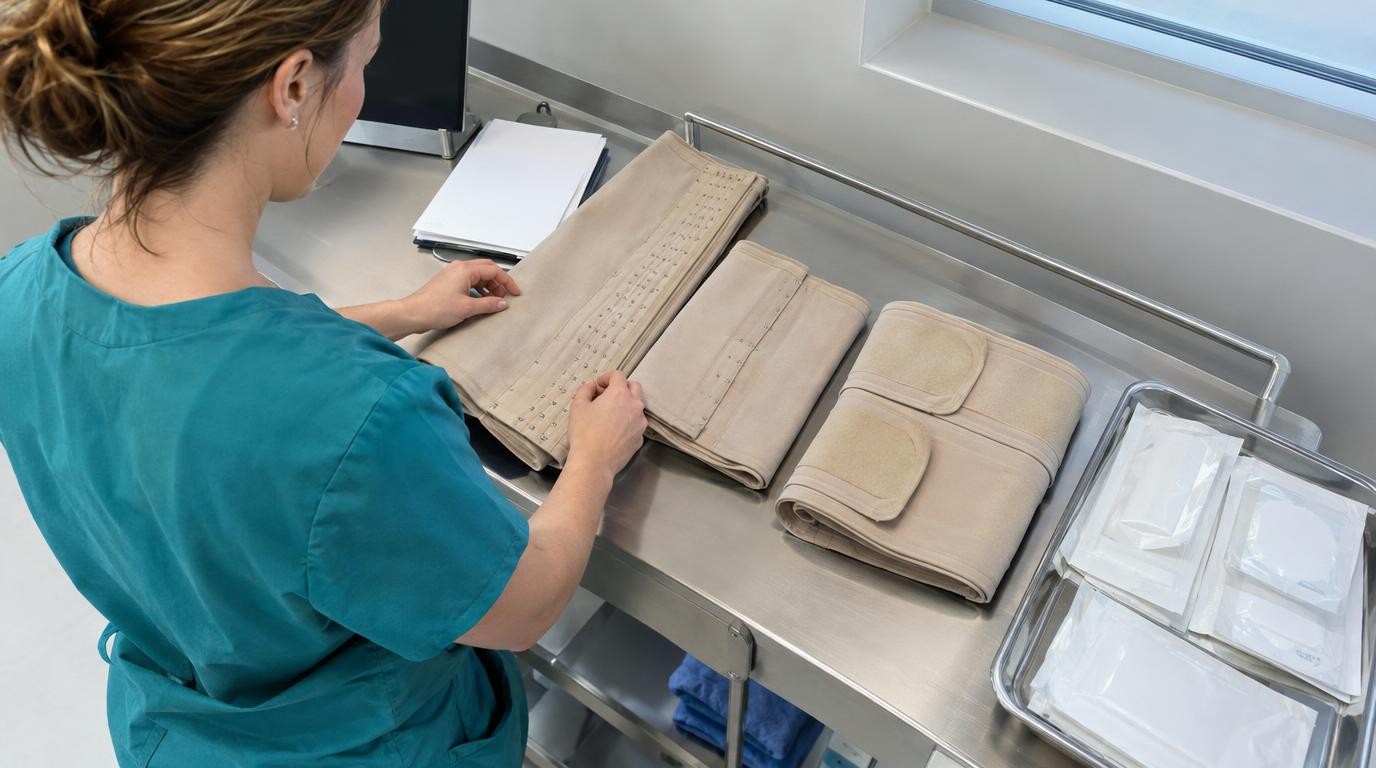
Our mini tummy tuck uses a shorter incision for milder lower-abdominal changes. SmartLipo, traditional liposuction, or VASER® Lipo may be combined with a tummy tuck to contour the waist and flanks; our guide to liposuction and tummy tuck combinations explains why the procedures address different concerns.
For comparison, the American Society of Plastic Surgeons estimates four to six weeks before returning to work after an extended tummy tuck, with a longer wait before strenuous activity; Skinsational’s listed options are full, mini, and liposuction-assisted tummy tucks. Combining a tummy tuck with liposuction may also lengthen recovery. Neither a shorter incision nor added liposuction establishes a fixed return date: Dr. Luciano Sztulman, MD, FACOG, FACS, considers the extent of surgery when discussing your restrictions.
If unwanted fat is your main concern and you do not have substantial loose skin or muscle separation, liposuction alone may be an option. It does not remove substantial loose skin or repair separated abdominal muscles. Weight management and exercise support different goals, but they may not correct loose skin or muscle separation; we can discuss which approach fits your anatomy.
What are the risks of a tummy tuck, and who may need to postpone it?
If you are planning substantial weight loss or a future pregnancy, discuss postponing a tummy tuck: the American Society of Plastic Surgeons notes that either can diminish its results. Possible surgical complications include bleeding, infection, fluid collection, blood clots, and wound-healing problems. The American Society of Plastic Surgeons cautions that a higher BMI may increase the risk of wound-healing problems and other complications. Its report describes a study of 46 selected overweight or obese patients in which complications were frequent but mostly minor and manageable; this small study does not establish a complication rate for all tummy-tuck patients.
What is the downside of a tummy tuck?
The trade-off for removing loose skin and improving abdominal contour is an incision scar and a recovery that interrupts work, lifting, and exercise. The American Society of Plastic Surgeons’ tummy tuck brochure also lists risks such as unfavorable scarring, persistent swelling, changes in sensation, and complications affecting the incision or circulation. Risks are possibilities, not outcomes that every patient will experience. Our guide to tummy tuck scar placement and healing offers more detail about the visible trade-off.
We review your medical history, abdominal anatomy, and goals rather than judging candidacy by appearance alone. Contact your surgical team promptly for worsening pain, spreading redness, fever, or concerning drainage. New leg pain or swelling, particularly on one side, also needs prompt medical assessment because it can signal a blood clot. Seek emergency care for chest pain or difficulty breathing.
When will swelling subside and tummy tuck results become clearer?
The American Society of Plastic Surgeons says swelling generally continues to diminish until approximately three months after surgery, although residual swelling can last six months or longer. At Skinsational, the abdominal contour becomes more refined and scars begin to soften during months two through three; your results and scar changes may follow a different pace.
Skinsational describes tummy tuck results as long-lasting. The American Board of Cosmetic Surgery notes that maintaining a stable weight helps preserve the improvements; substantial weight changes or a future pregnancy can stretch the skin or abdominal wall and diminish them. Skinsational’s before-and-after photo gallery can help you discuss possible contour changes, but photographs cannot predict your individual result or healing pace.
How can you prepare for recovery at home?
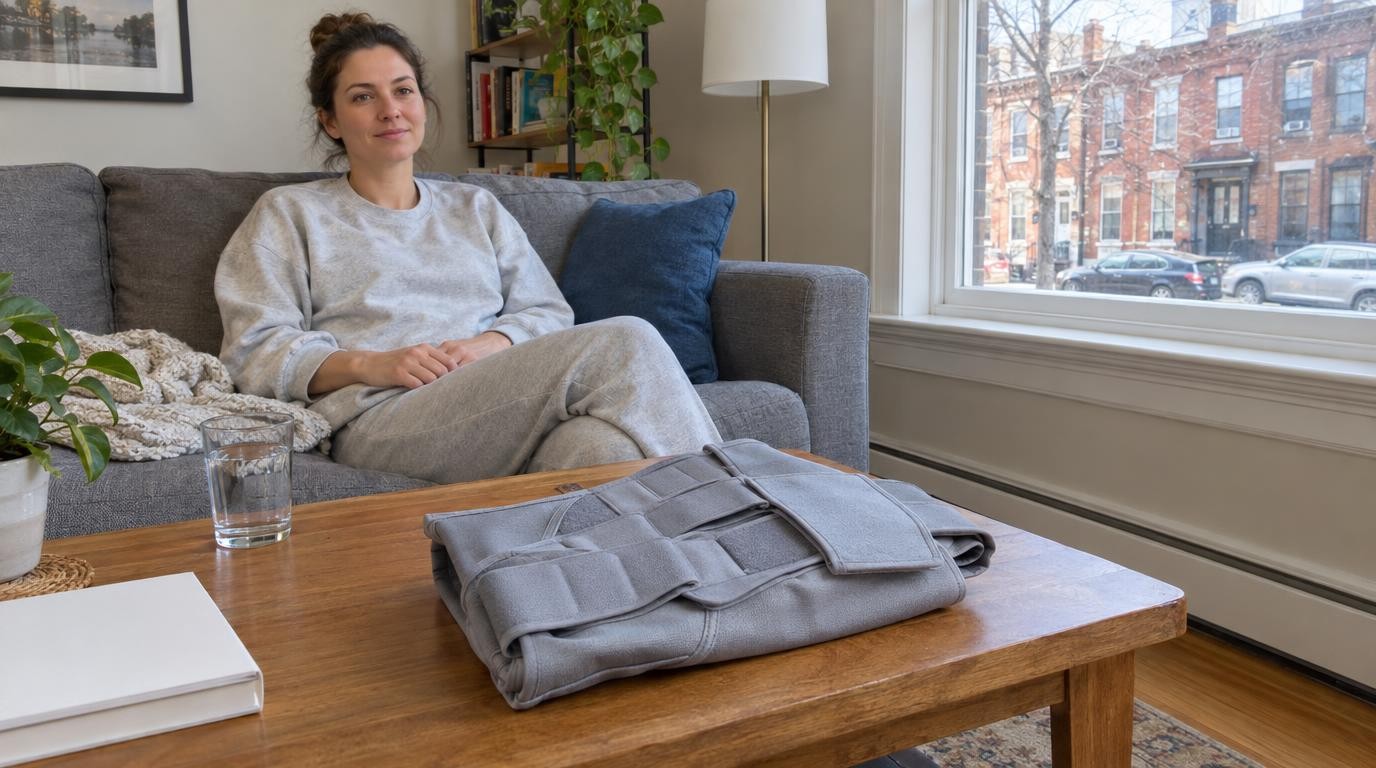
Prepare for tummy tuck recovery by protecting time away from work, arranging help with lifting and childcare, and making postoperative instructions easy to follow. The first week calls for particular attention to rest and assistance. Compression-garment use, permitted activity, and follow-up visits should follow your surgical plan rather than a general online timetable.
A practical home plan includes:
- Arrange work leave according to your job duties and the proposed extent of surgery.
- Organize help with childcare, laundry, groceries, and other tasks that require lifting.
- Set aside your postoperative instructions and compression garment so they are ready when you return home.
- Keep follow-up visits and ask about any activity that is not clearly covered by your instructions.
Frequently Asked Questions
How long do I have to wear a compression garment after a tummy tuck?
The American Society of Plastic Surgeons describes wearing a compression garment for four to six weeks after a tummy tuck to help reduce swelling. Follow your surgeon’s specific instructions about fit and wear time rather than stopping when you feel better.
When are tummy tuck drains removed?
The American Society of Plastic Surgeons says tummy tuck drains, when used, are usually removed in one to two weeks, once drainage is low enough. Not everyone needs drains. If you have them, follow your surgical team’s care instructions and attend your follow-up visit for an assessment.
When can I stand up straight after a tummy tuck?
The American Society of Plastic Surgeons says many patients can stand up straight after about seven to ten days. Before then, you may need to stay slightly bent at the waist to protect the incision and allow the skin to adapt. Follow your surgeon’s instructions rather than forcing an upright posture.
How long will I need help caring for young children?
The Aesthetic Society recommends arranging for someone else to be fully responsible for small children for at least two weeks after a tummy tuck. Plan that help before surgery, even if you expect to feel ready for some light daily tasks sooner.
How long does numbness last after a tummy tuck?
Numbness or a pulling sensation can last weeks or months after a tummy tuck and often fades over time, according to the article on the American Society of Plastic Surgeons’ website. Healing varies, so tell your surgical team about sensation changes that concern you. They can assess whether what you feel is expected for your recovery.
How long does it take for a tummy tuck scar to fade?
The American Society of Plastic Surgeons says tummy tuck scars continue healing and typically become thinner and lighter around 12 to 18 months after surgery. A permanent scar remains, even as its appearance changes. Scar care may include silicone sheets or gels once the incision has healed enough for treatment.
How can you get a personalized recovery estimate in Providence?
A personalized recovery estimate starts with an evaluation of your abdominal skin, fat, muscle structure, health history, and goals. At Skinsational Cosmetic Surgery Clinic in Providence, Rhode Island, Dr. Luciano Sztulman can discuss whether a full or mini tummy tuck, with or without liposuction, fits your needs and what that plan means for work, driving, exercise, scarring, and results.
If you are considering abdominoplasty, contact Skinsational Cosmetic Surgery Clinic in Providence at (401) 386-7252 to schedule a consultation with Dr. Luciano Sztulman and discuss a recovery plan based on your circumstances.
This information is general and is not medical advice. Talk to a licensed clinician about your own situation before making a treatment decision.
About the doctor at Skinsational Cosmetic Surgery Clinic
Dr. Luciano Sztulman, MD, FACOG, FACS – Cosmetic surgeon with over thirty years of experience.

