

Last updated: October 29, 2026
A tummy tuck for apron belly can remove an overhanging fold of abdominal skin and fat, but the right operation depends on where the fold begins, how far it extends, and whether the abdominal muscles need repair. At Skinsational Cosmetic Surgery Clinic, our tummy tuck (abdominoplasty) service includes mini and full approaches tailored to the patient’s anatomy.
Can surgery fix an apron belly?
Yes, surgery can remove an apron belly when the fold consists of excess abdominal skin and fat. A tummy tuck can also improve the surrounding abdominal contour and address muscle separation when indicated. The appropriate procedure depends on the fold’s size, the condition of the skin and muscles, and whether the main goal is appearance, relief from fold-related problems, or both.
Exercise can strengthen muscles and support weight management, but it cannot remove loose belly skin. The American Society of Plastic Surgeons explains that pregnancy, aging, heredity, prior surgery, and significant weight changes can leave the abdomen loose or protruding even when someone exercises and manages their weight.
What is it called when your belly hangs down?
An overhanging abdominal fold is often called a pannus or apron belly. The term describes the fold, not a particular diagnosis or a requirement for surgery. What matters when choosing an operation is how much skin hangs down, whether laxity also extends above the belly button or around the sides, and whether the fold causes rubbing or interferes with daily activities.
Which tummy tuck fits the size of your apron belly?
A mini tummy tuck generally fits mild looseness confined below the belly button, while a full tummy tuck addresses more substantial laxity across the abdomen. A fold that extends around the flanks or involves considerable looseness in multiple directions may require a more extensive approach. A mini tuck should not be expected to remove a substantial hanging apron.
The location of loose skin matters as much as the amount. An article on the American Society of Plastic Surgeons website distinguishes mini, standard, and extended approaches by the amount and location of excess skin and fat.
The main differences are:
| Approach | Skin addressed | Scar consideration |
|---|---|---|
| Mini tummy tuck | Mild looseness below the belly button | Shorter lower-abdominal incision |
| Full tummy tuck | More substantial looseness across the abdomen | Longer low incision; a belly-button incision may also be needed |
| More extensive approach | Skin extending toward the flanks or loose in multiple directions | Longer or additional incisions |
What is a lower abdominal tummy tuck?
A lower abdominal, or mini, tummy tuck focuses on skin and fat below the belly button. It can also tighten lower-abdominal muscles when needed, but its skin correction remains limited to the area below the belly button. At Skinsational, it is an option for mild lower-abdominal laxity and uses a shorter incision than a full tuck. A substantial hanging apron or loose skin above the navel may remain after a mini tuck.
When might a full or extended tummy tuck be considered?
Our full tummy tuck addresses more significant skin laxity and may include repair of separated abdominal muscles. For a fold that extends onto the flanks, an extended tuck may provide broader skin removal. When loose skin runs both vertically and side to side, a fleur-de-lis technique may be considered; an article on the American Society of Plastic Surgeons website explains that this approach adds a visible vertical scar.
How is a tummy tuck different from a panniculectomy?
An article on the American Society of Plastic Surgeons website explains that panniculectomy removes the hanging apron of skin and fat, whereas abdominoplasty addresses a wider area of the abdomen and can tighten separated muscles. Removing the apron alone does not necessarily flatten the upper abdomen.
When might panniculectomy be a better fit?
If a hanging fold causes persistent rubbing, rashes, or difficulty walking, a panniculectomy may be a better fit than a tummy tuck when removing that fold is your primary goal and you do not need broader contouring or muscle repair. The choice still depends on your health, anatomy, and goals. Our tummy tuck vs panniculectomy guide compares what each procedure addresses and which goals it may fit.
Will I need a tummy tuck after losing 50 pounds?
No. Losing 50 pounds does not, by itself, mean a tummy tuck is needed. A tummy tuck contours the abdomen; it is not weight-loss surgery or a substitute for weight loss and exercise. The decision depends on the loose skin left behind, the extent of any hanging fold, weight stability, possible muscle separation, overall health, and personal goals. Some people have little remaining laxity; others want an evaluation of skin that weight loss cannot remove.
Weight lost is context, not a surgical threshold. A Cleveland Clinic tummy tuck resource includes an example of someone who lost nearly 50 pounds and sought correction of abdominal skin laxity and excess fat; that example does not make the same operation necessary for everyone with similar weight loss. At Skinsational, being at or near your goal weight and having realistic expectations are part of the candidacy discussion. Readers navigating ongoing weight changes may also find our guide to loose skin after weight loss useful.
How does Skinsational perform a tummy tuck for an apron belly?
At Skinsational, a tummy tuck is performed in our accredited surgical facility with anesthesia for comfort. Dr. Luciano Sztulman plans a low abdominal incision, removes excess skin and fat, and tightens the abdominal wall when indicated. The belly button may be repositioned, and the incisions are closed after the planned contouring is complete.
Our operation typically takes several hours, depending on its complexity. Dr. Luciano tailors the amount of skin removal and the incision plan to the abdomen rather than treating every apron belly the same way. The Mayo Clinic’s description of abdominoplasty likewise explains that incision length depends on how much skin is removed and which type of tuck is performed.
When are abdominal muscles tightened?
Muscle tightening may help when the abdominal wall is stretched or the central muscles have separated, a condition called diastasis recti. Skin removal addresses a hanging fold; muscle repair addresses an underlying bulge from separation. Not every patient needs the same repair, so the abdominal wall is evaluated separately from the skin. For a closer look at that distinction, see our educational reference on abdominoplasty without muscle repair.
Can liposuction be combined with the tummy tuck?
Yes. Skinsational may combine a tummy tuck with liposuction to refine fat around the waist or flanks. Liposuction contours fat, while the tuck removes loose skin; liposuction alone does not remove an overhanging skin fold. Our guide to liposuction versus a tummy tuck and combined options explains how those goals differ.
What should you expect during recovery from an apron belly tummy tuck?
Recovery is gradual, and its timing depends on the extent of surgery and how you heal.
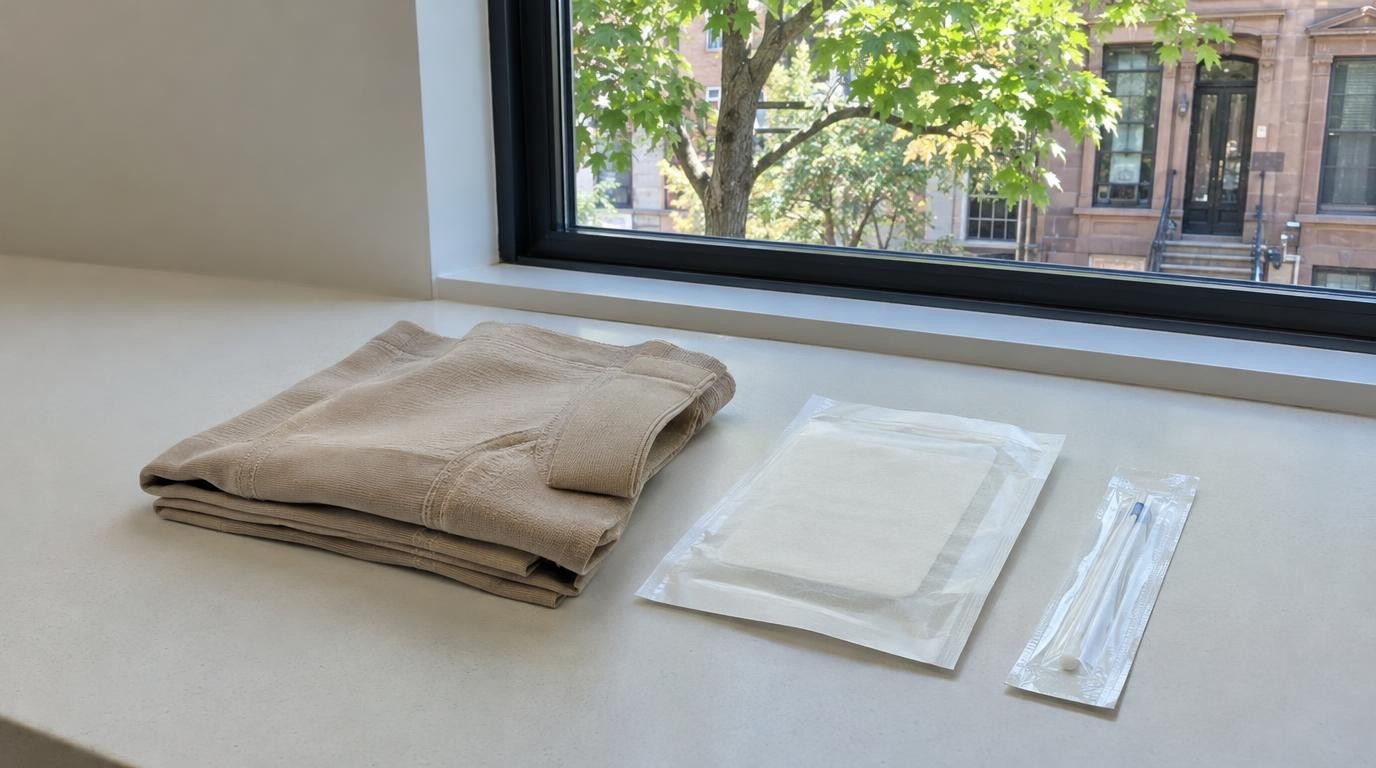
Our recovery guidance describes these stages:
- Weeks 1–2: Expect discomfort, swelling, and tightness. Wear your compression garment as directed, limit bending, lifting, and strenuous activity, and return gradually to light daily tasks. Plan for help with tasks that exceed your restrictions.
- Weeks 3–6: Mobility and strength generally improve, swelling continues to decrease, and light exercise may resume with Dr. Luciano’s guidance.
- Months 2–3: The abdominal contour becomes more refined, and scars begin to soften and fade.
- Months 3–6: Healing and tightening continue, so your contour and scars may keep changing.
For standard tucks, an article on the American Society of Plastic Surgeons website gives a benchmark of returning to nonstrenuous work after a couple of weeks and says full recovery takes around three months. A physically demanding job may require more time away from work.
What results and scars can you expect from an apron belly tummy tuck?
Removing the overhanging fold can create a smoother abdominal outline, while muscle repair can improve a bulge caused by separation when repair is indicated. A standard tuck usually leaves a low abdominal scar and may leave a scar around the belly button. More extensive skin removal can require longer or additional scars, so the trade-off should be clear before surgery.
An article on the American Board of Cosmetic Surgery website describes a standard lower incision placed where underwear or a swimsuit can often conceal it, while an extended incision continues around the hips. A fleur-de-lis scar has a vertical component that a bikini bottom cannot fully hide. Scar placement and healing vary; our guide to tummy tuck scar placement and healing offers more detail.
Stretch marks may improve where marked skin is removed, but marks on skin that remains will remain. Tummy tuck improvements can last for many years, particularly if you maintain a stable weight, although no operation guarantees a particular shape, scar appearance, or lifelong result.
What risks come with an apron belly tummy tuck, and who should wait?
A tummy tuck involves anesthesia and surgical risks, including bleeding, infection, fluid accumulation (a seroma), blood clots, wound-healing problems, and noticeable scarring. The American Board of Cosmetic Surgery identifies seromas as the most common postoperative tummy tuck complication. Nicotine use, significant medical concerns, ongoing major weight changes, or a planned pregnancy may affect the timing or suitability of surgery. These factors call for individualized assessment rather than automatic assumptions about eligibility.
Swelling, soreness, and tightness are expected during early healing; worsening symptoms deserve attention. Seek urgent medical care for chest pain, shortness of breath, or sudden leg swelling, and promptly contact the surgical team for fever, spreading redness, increasing wound drainage, or a wound that opens. Discuss your health history, nicotine use, medications, and personal risks with your own clinician before deciding on surgery.
Frequently Asked Questions
Can a tummy tuck remove my C-section scar?
It may be possible to remove a C-section scar during a tummy tuck. Mayo Clinic notes that a surgeon may be able to incorporate the existing scar into the new tummy tuck scar. Whether this is possible depends on the scar’s location and the skin planned for removal.
Will a mini tummy tuck change my belly button?
A mini tummy tuck typically leaves the belly button in place. It treats the lower abdomen through a shorter incision, while a full tuck may reposition the navel to address more extensive loose skin.
What if my loose skin wraps all the way around my waist?
Skin extending around the torso may call for a circumferential body lift rather than an abdominal-only tuck. This procedure uses incisions around the torso to remove a circumferential apron of skin and fat and address the waist and lower back.
Will insurance cover removal of an apron belly?
Insurance may cover a panniculectomy when removal of the hanging fold is considered medically necessary, but coverage is not guaranteed. Johns Hopkins Medicine notes that adding a tummy tuck to a panniculectomy is not always covered.
Can I combine a tummy tuck with other body-contouring surgery?
Yes. Mayo Clinic names breast surgery and excess-skin removal from the arms or thighs as procedures that can be combined with a tummy tuck. Whether procedures can be combined depends on your health and the extent of surgery.
Is recovery quicker after a panniculectomy than after a tummy tuck?
Mobility may return sooner after a panniculectomy because it generally does not include the muscle tightening involved in a tummy tuck, according to an article on the American Society of Plastic Surgeons website. That does not guarantee a shorter recovery for any individual; the extent of surgery and your healing determine your activity restrictions.
How can a Providence consultation help you choose an operation?
A consultation helps connect the shape of the fold to a realistic surgical plan. At Skinsational Cosmetic Surgery Clinic in Providence, Rhode Island, Dr. Luciano Sztulman evaluates abdominal skin, fat, muscle separation, health history, and goals. That examination guides a discussion of our mini or full tummy tuck, possible liposuction, recovery, and the scars each plan may leave.

If you are considering a tummy tuck for apron belly, contact Skinsational Cosmetic Surgery Clinic to arrange a consultation with Dr. Luciano Sztulman in Providence, Rhode Island. We can examine the fold with you and explain which available approach fits your goals and what its recovery and scars would involve.
This information is general and is not medical advice. Talk to a licensed clinician about your own situation before making a treatment decision.

