
Last updated: November 13, 2026
What is gyno surgery? Also called gynecomastia surgery or male breast reduction, it reduces chest fullness by removing glandular tissue, excess fat, or loose skin as needed to create a flatter contour. The right approach depends on what is causing the fullness, so an evaluation comes before a surgical plan.
What Is Gynecomastia, and How Is Chest Fat Different?
Gynecomastia is benign enlargement of glandular breast tissue, which can occur alongside additional chest fat. Fat alone can also make the chest look enlarged without an increase in glandular tissue; this is called pseudogynecomastia. Gynecomastia can affect one side or both, and no single operation is appropriate for every patient.
The American Society of Plastic Surgeons notes that severe breast enlargement can cause sagging and stretch the areola, the darker skin around the nipple. At Skinsational Cosmetic Surgery Clinic, Dr. Luciano Sztulman evaluates those features before recommending a plan for gynecomastia surgery in Providence, Rhode Island.
What Caused Gyno?
Gynecomastia often develops when the balance between estrogen and testosterone changes, but medications and medical conditions can also contribute. Hormonal changes during puberty or aging, anti-androgen medicines, anabolic steroids, and nonprescription drugs such as marijuana or heroin are possible contributors. Thyroid, liver, or kidney disease and, less commonly, tumors of the testicles, adrenal glands, or pituitary gland may also be involved. Obesity can contribute to gynecomastia, but excess fat alone can cause chest fullness without glandular growth. Unexplained new changes deserve medical assessment to identify and address a possible cause before considering surgery.
A health history and examination help distinguish glandular growth from chest fat and identify symptoms that need medical assessment. Do not stop a prescribed medication on your own because you suspect it is contributing to breast enlargement.
Can Gyno Go Away Without Surgery?
Yes, some puberty-related gynecomastia resolves without surgery, and treating a contributing condition or changing a medication under medical supervision may help in other cases. For selected patients with persistent, bothersome enlargement, a clinician may consider a short course of an estrogen-blocking medicine such as tamoxifen; its use for gynecomastia is off-label and is not appropriate for everyone. Mayo Clinic News Network explains that surgery may become an option when significant, bothersome enlargement persists despite appropriate treatment. Diet and exercise may reduce chest fat, but they may not eliminate persistent glandular tissue. Our guide to whether gynecomastia goes away explores that distinction further.
When Should You Do Gyno Surgery?
Gynecomastia surgery may be worth discussing when chest enlargement persists, causes discomfort or self-consciousness, and remains bothersome after potential medical causes and nonsurgical options have been evaluated. For adults, there is no fixed waiting period: whether surgery is appropriate depends on the cause of enlargement, overall health, and treatment goals. Dr. Luciano assesses the tissue, skin quality, overall health, and realistic goals before recommending an operation.
A consultation also helps clarify whether the main concern is glandular tissue, fat, loose skin, or a combination. That distinction matters because removing fat alone will not address every form of chest fullness. Surgery is a personal choice, not an automatic next step for everyone with gynecomastia.
How Does Gyno Removal Surgery Work?
Gyno removal surgery reshapes the chest by removing the tissues responsible for its fullness. At Skinsational, Dr. Luciano typically performs it as an outpatient procedure under local anesthesia or sedation; he will discuss your individual anesthesia plan at consultation. The steps are:
- Administer anesthesia and make incisions around the areola or elsewhere on the chest.
- Remove glandular tissue, fat, or excess skin according to the surgical plan, then shape the chest contour.
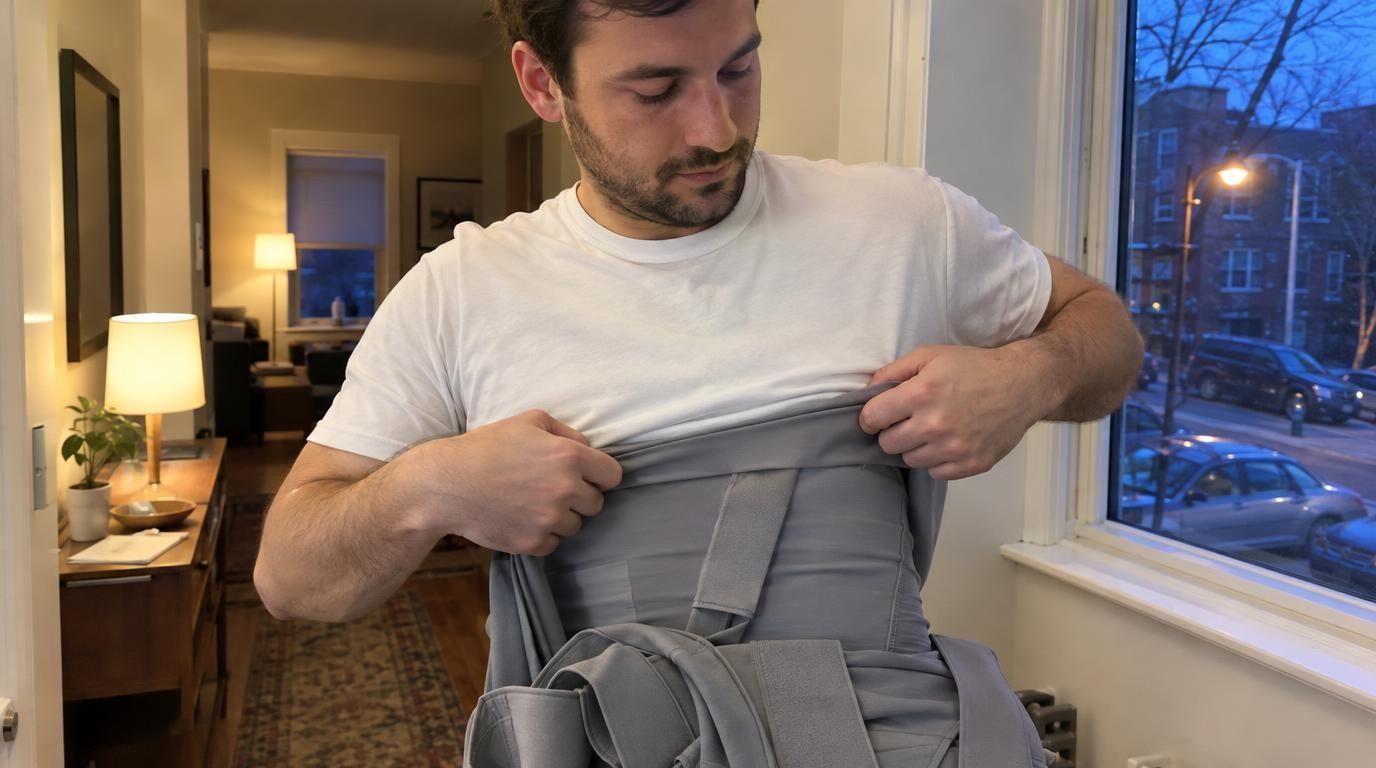
- Close the incisions and apply a compression garment.
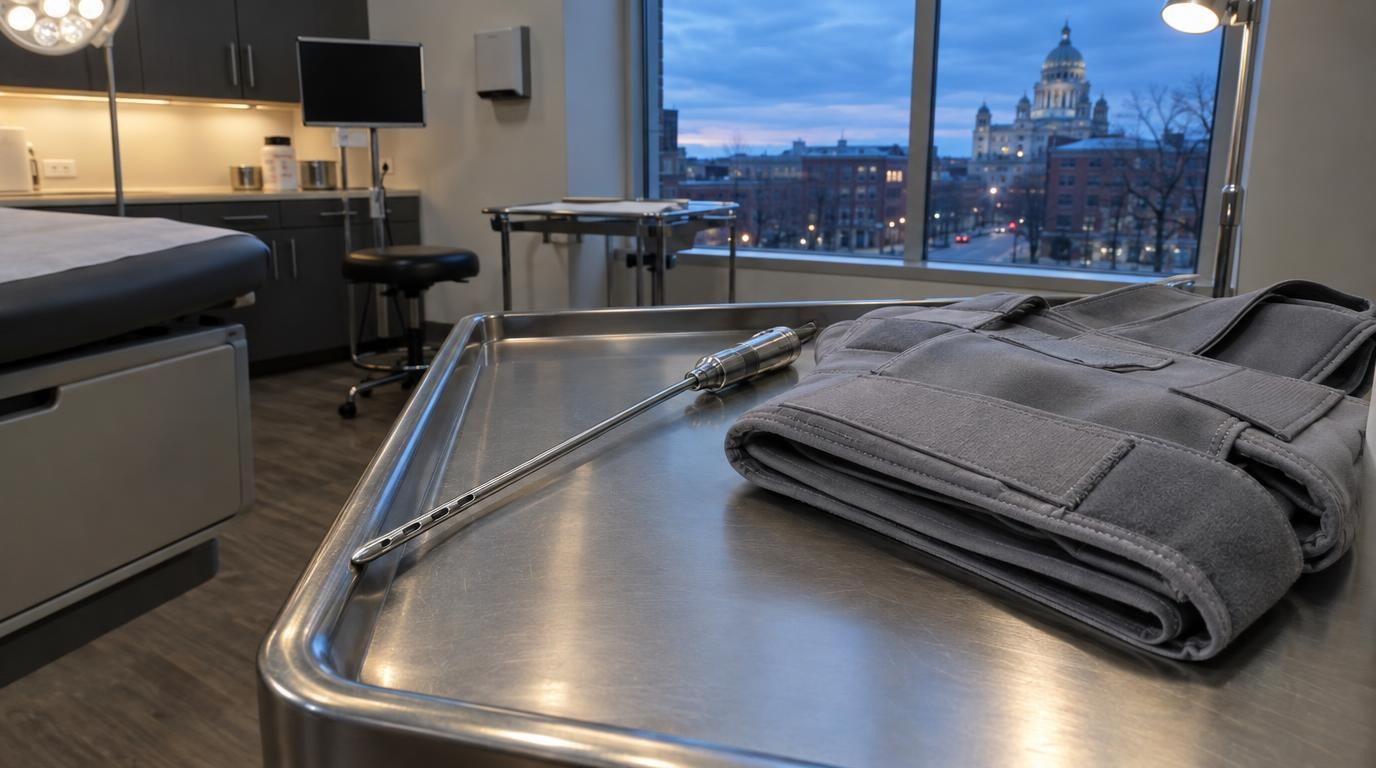
At Skinsational, the procedure usually takes 1–3 hours, and patients return home the same day with postoperative instructions. The American Board of Cosmetic Surgery notes that liposuction incisions may be near the areola or in the armpit, while tissue-excision incisions are typically along the areola’s edge or in a chest crease.
How Do Surgeons Choose Between Excision, Liposuction, and Skin Removal?
We choose an approach based on whether fullness comes from fat, glandular tissue, sagging skin, or a combination. The options differ in what they remove:
| Approach | What it addresses | Key consideration |
|---|---|---|
| Liposuction | Excess fat | May leave firm glandular tissue behind. |
| Gland excision | Enlarged glandular tissue | Requires an incision to remove the tissue directly. |
| Combined liposuction and excision | Both excess fat and glandular tissue | Addresses both sources of fullness. |
| Skin removal | Stretched or sagging skin | May require more extensive incisions. |
The 2020 comprehensive review of surgical management of gynecomastia examined 17 studies involving 1,112 surgically treated patients. It found that skin-sparing tissue removal, with or without liposuction, was the most frequently used approach, followed by operations that also reduced skin.
Those findings describe surgical practice patterns, not proof that one technique is best for everyone. The review supports matching the approach to the degree of enlargement and patient preferences. An educational overview of how surgeons choose a gynecomastia procedure provides further context.
How Does Gland Excision Compare With Liposuction Alone?
Firm glandular tissue can remain after liposuction alone, potentially leaving nipple fullness. In a small 2025 comparative study of 32 breasts—17 treated with liposuction alone and 15 with liposuction plus gland excision—cosmetic assessments were similar. The liposuction-only group had bruising, two hematomas, and one repeat operation for persistent nipple fullness. The combined-treatment group had four crater deformities and one case each of superficial skin necrosis, hematoma, and seroma. Those findings cannot predict which approach will work best for an individual patient. Our guide to liposuction versus excision for gynecomastia explains the difference in more detail.
A 2012 retrospective surgical outcomes study evaluated 41 patients and 75 operations and concluded that gland removal combined with ultrasound-assisted liposuction could be a first-choice approach for grade II or III gynecomastia. That observational finding does not establish a universal best technique.
What Is Recovery Like After Gyno Surgery?
Recovery after gyno surgery commonly involves early swelling and discomfort, a compression garment, incision care, and temporary limits on exertion. At Skinsational, patients wear compression for several weeks and avoid heavy lifting and strenuous activity during initial healing. Light activity is often possible within a few days, while normal routines generally resume within several weeks. Heavy lifting and strenuous exercise may remain restricted for about six weeks; follow Dr. Luciano’s instructions and wait for clearance based on your healing.

Keep incisions clean and dry as instructed, and follow the activity restrictions in your own postoperative plan. The Cleveland Clinic notes that soreness generally improves within about a week and that returning to work is often possible in about two weeks. Recovery varies with the extent of surgery and individual healing; our gynecomastia surgery recovery guide offers a fuller timeline.
What Results and Scars Can You Expect?
Gynecomastia surgery aims for a flatter, more balanced chest contour, but it cannot guarantee a particular appearance or an invisible scar. Results become clearer as swelling subsides. Incisions can be placed discreetly around the areola or along chest contours, although scar location and visibility depend on the tissue removed and how each person heals.
The American Society of Plastic Surgeons’ results guidance notes that final results may take 3-6 months to develop. It also explains that incision lines are permanent even when they fade or are concealed within natural contours. Removing loose skin can require more extensive incisions than removing gland or fat alone. A revision operation may be needed to improve an unsatisfactory contour or treat a complication.
Can Gyno Grow Back After Surgery?
The improvement from gynecomastia surgery is generally long-lasting, although recurrence is possible. If glandular tissue remains, an ongoing hormonal imbalance or contributing medication can lead to renewed glandular enlargement. Substantial weight gain can instead bring back fatty chest fullness without regrowth of glandular tissue. Early postoperative swelling is different from either change; new or sudden enlargement deserves medical reassessment.
What Are the Risks, and Who Should Not Have Gyno Surgery?
Gyno surgery carries risks, including bleeding and infection, and patients with unexplained new enlargement, an unresolved contributing illness or medication effect, or a condition that makes surgery unsafe need medical evaluation before proceeding. Early swelling and soreness are expected; other possible complications include permanent scars, asymmetry or contour irregularities, fluid collections, superficial skin necrosis, blood clots, reduced breast-area sensation, persistent pain, and anesthesia-related problems. Seek prompt medical care if you develop severe pain, fever, or sudden swelling.
The 2020 comprehensive surgical review reported hematoma, or a blood collection, in 5.8% of patients and seroma, or a fluid collection, in 2.4%. Those are findings across the studies reviewed, not predictions of an individual patient’s risk or Skinsational’s complication rates. Discuss your health history, medication use, surgical risks, and any new breast changes with your own clinician before making a treatment decision.
Frequently Asked Questions
Will I need blood tests or imaging before gyno surgery?
Not necessarily. Depending on your history and examination, your clinician may order blood tests to investigate a possible medical cause or imaging to assess a concerning lump or unexplained change. The American Society of Plastic Surgeons’ gynecomastia coverage guidance calls for a complete history, physical examination, and appropriate diagnostic testing to determine the cause before surgery.
Can gyno surgery fix only one side of my chest?
Yes. Surgery can address enlargement on just one side, with the plan based on the gland, fat, and skin present. A new one-sided lump or sudden swelling needs medical evaluation before cosmetic surgery.
Will I need drains after gyno surgery?
Possibly. Drains are not required in every case; when used, they temporarily collect blood or fluid. An article on the American Society of Plastic Surgeons’ website notes that drains placed after larger skin-removal incisions may remain for about five to seven days.
Can gyno surgery change the size or position of my nipples?
Yes. When substantial enlargement stretches the areola or causes sagging, surgery can reposition the nipple and areola or reduce the areola’s size. These changes are not part of every procedure and may require more extensive incisions.
Does gyno surgery remove or change chest muscle?
No. Standard gyno surgery does not change the underlying chest muscles. An article on the American Society of Plastic Surgeons’ website explains that the operation addresses breast tissue, fat, and sometimes skin instead.
Can gyno surgery cause numbness around my nipples?
Yes. Numbness or reduced sensitivity around the nipple or elsewhere in the breast area is a possible complication. The incision pattern and extent of tissue removal are relevant to your individual risk.
Can I drive myself home after gyno surgery?
No. Arrange for someone else to drive you home after surgery. It is an outpatient procedure, but anesthesia or sedation can make driving unsafe afterward.
How Can You Plan a Gynecomastia Consultation in Providence?
At Skinsational Cosmetic Surgery Clinic in Providence, Rhode Island, your private consultation with Dr. Luciano Sztulman includes a review of possible causes and treatment options, an examination of the gland, fat, and skin, and a discussion of the surgical process and realistic expectations.
Useful questions to bring include:
- Is the fullness mainly glandular tissue, fat, loose skin, or a combination?
- Which medical causes or medications should be assessed before surgery?
- Which tissues would be removed, and where might the incisions go?
- What compression, incision care, and activity restrictions would apply to my plan?
- What contour and scar changes are realistic for my starting anatomy?
If persistent chest enlargement is affecting your comfort or confidence, contact Skinsational Cosmetic Surgery Clinic to arrange a private consultation with Dr. Luciano Sztulman in Providence.
This information is general and is not medical advice. Talk to a licensed clinician about your own situation before making a treatment decision.

